
How to Level a Lawn
Honest lessons from levelling, seeding and turfing a real garden
Save £750+ on Labour
Landscapers charge £15-30 per m² to level and seed a lawn. A 50m² garden costs £750-1500 professionally. Materials alone are £200-400.
Fix a Sloping Garden
Raise low spots, level dips, and create a flat usable lawn for kids, pets, and garden furniture. A level lawn drains evenly and is easier to mow.
Weekend Project
The work is 1-2 days for a 50m² lawn. Allow 4-6 weeks for grass to establish from seed, or 2-3 weeks for turf to root in.
Calculate Your Topsoil
Use our aggregate calculator to work out exactly how many bulk bags of topsoil you need.
Why Levelling a Lawn Is Mostly About Soil
Most lawn problems come down to the soil underneath. A lawn that is bumpy, patchy, or refuses to establish is almost always the result of poor soil quality, poor levelling, or both. Get the soil right and the grass will follow.
We learned this the hard way. Our original plan was to lift our two-year-old turf with a sod cutter, raise the level with extra soil, then relay the same turf. It did not work. The lawn was not perfectly level, the soil was full of stones, and the cutter tore the turf into ragged strips. We ended up burying the lifted turf, putting fresh premium soil on top, and seeding from scratch. The lessons below are what we wish we had known before we started.
Lessons From Doing It (Read These First)
1. Premium loose topsoil only. Never recycled.
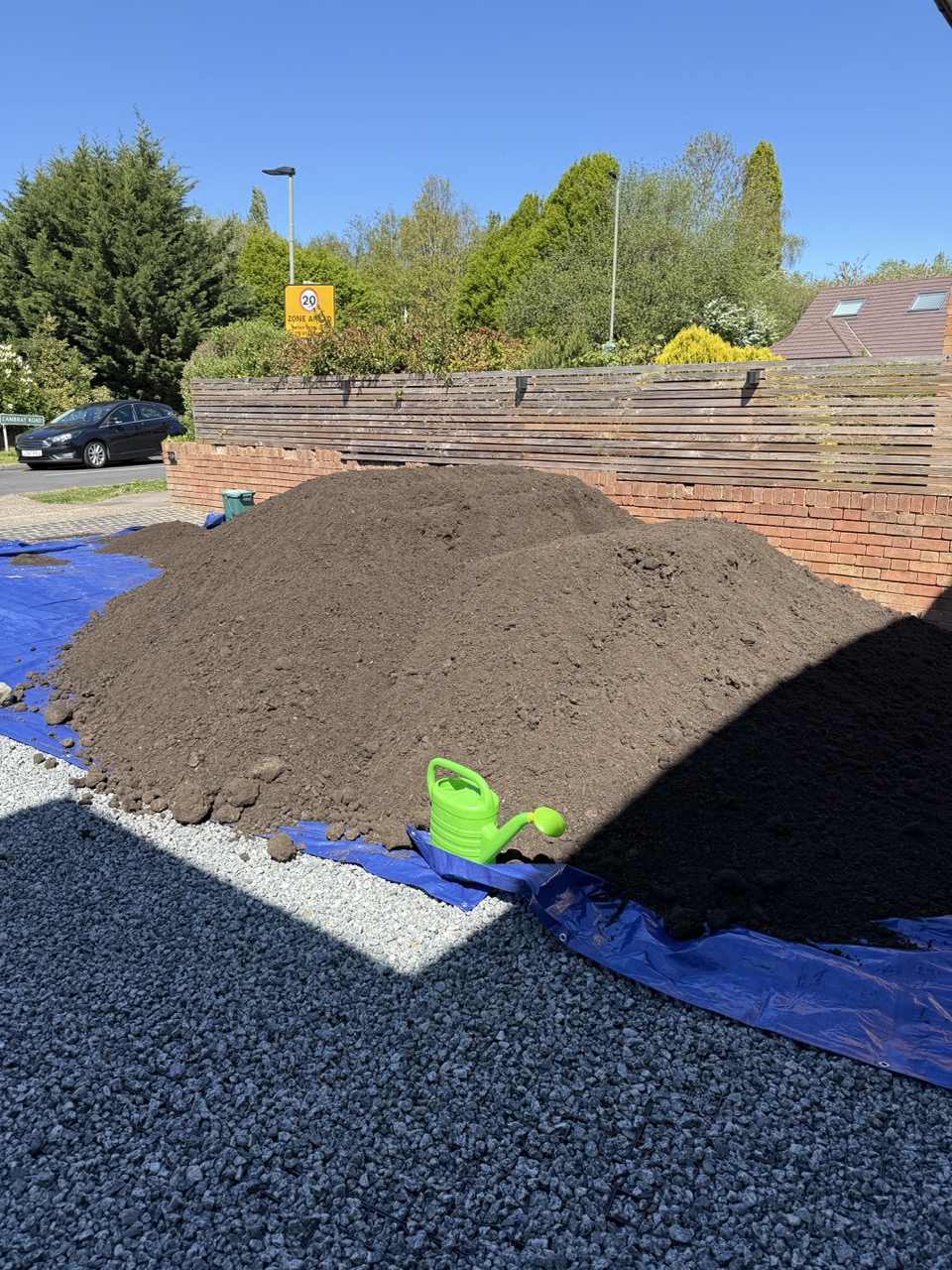
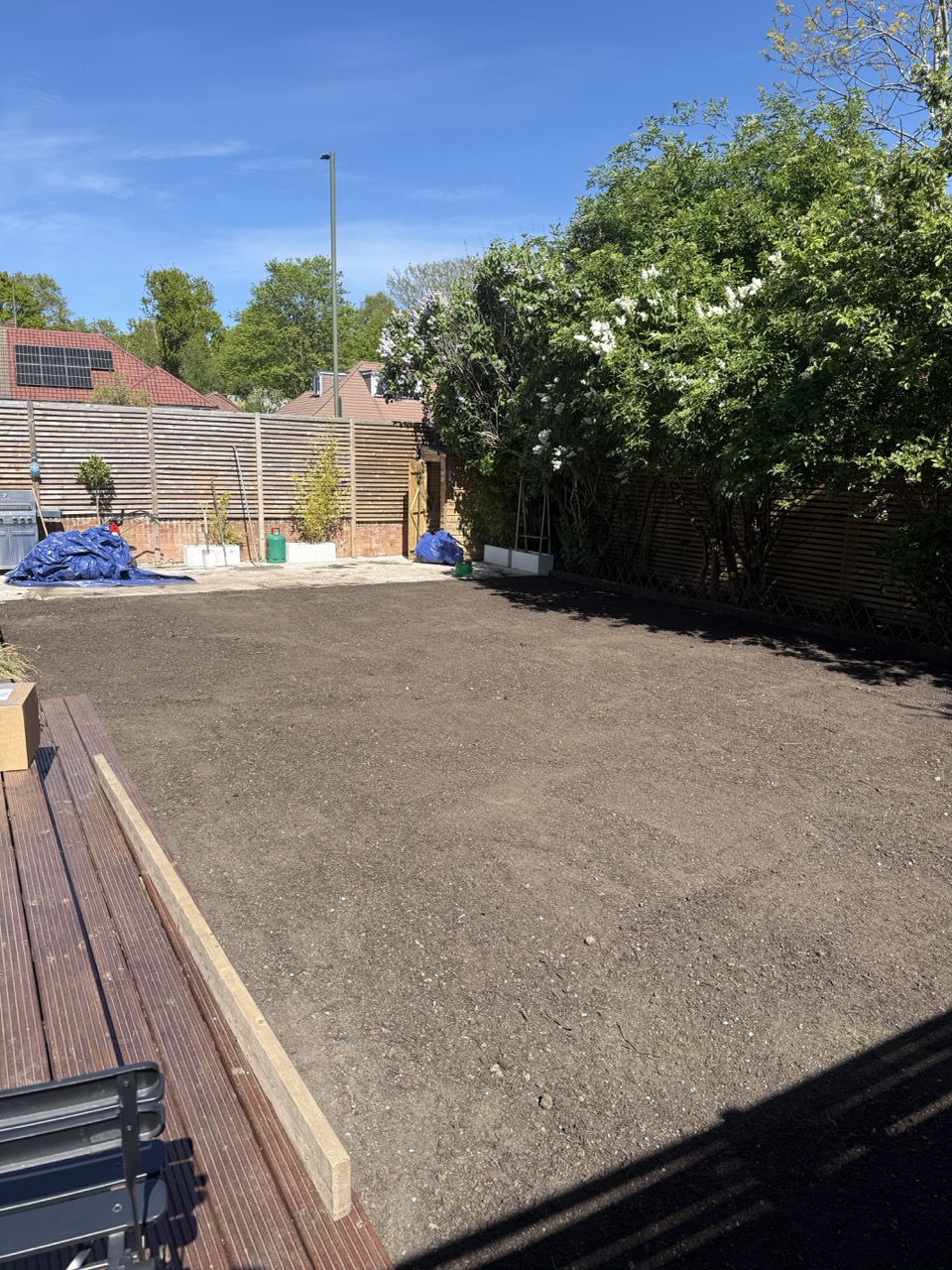
Premium screened topsoil is fluffy, dark, and light enough to move with a shovel. Recycled topsoil is dense, heavy, full of stones, and you will hate yourself for buying it unless you have a digger and dumper to move it.
Even for backfilling, recycled soil is so heavy that one wheelbarrow load is a proper workout. For a new lawn it is a non-starter. The roots cannot establish in compacted, stony soil and the surface will never look right.
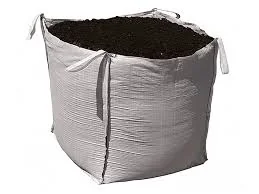
Tipped loose vs bulk bags: A tipped delivery is significantly cheaper per tonne than bagged. The catch is the driver tips it onto your drive or garden in one pile. Lay a heavy-duty tarp on the tip spot first. When you have moved the soil, drag the tarp away and you are left with a clean drive instead of a half-day clean-up.
See it for yourself. This is our original install with recycled soil and turf. A horrific option that we ended up redoing.
2. Reusing old turf with a sod cutter usually fails
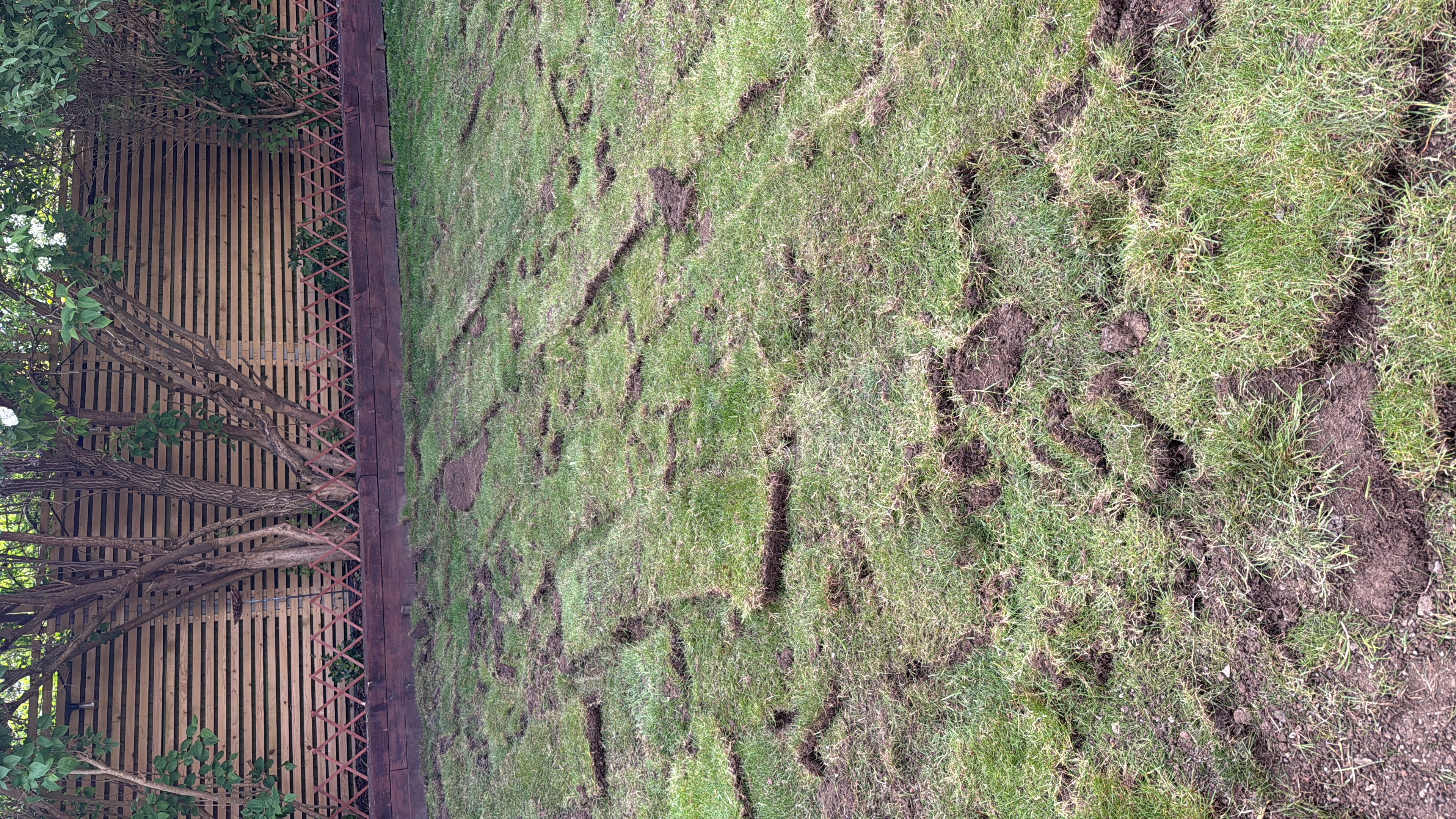
A turf cutter (also called a sod cutter) only works on a perfectly level lawn with clean soil underneath. If the ground is uneven or the soil is stony, the blade bounces and shreds the turf into useless pieces.
We wanted to lift our existing turf, raise the level by 150mm with new soil, then relay the same turf. The strips came up in ragged chunks full of stones. Reusing them was impossible. We buried them under fresh topsoil and seeded over the top instead.
3. Do not order turf until your prep is done
Turf is cut to order and arrives on a pallet. It starts to yellow within 24 hours and is unusable after 48-72 hours, especially in warm weather. Order it only when your topsoil is laid, raked, and you can roll it out the same day.
If your prep slips by a day, the turf is ruined and you have just wasted £200-400. Seed gives you flexibility because it stores indefinitely.
4. Burying old grass is fine. Cut it short first.
You do not have to strip an existing lawn before raising the level. Burying it under fresh topsoil works, but the grass underneath will decompose over the following months and cause some sinkage.
Cut the existing grass on the lowest mower setting before you bury it. The shorter the grass, the less material there is to break down, and the less the level drops later. Expect to top up with another 10-20mm of soil after a few months.
5. Raising by more than 100mm? Hire a compactor plate.
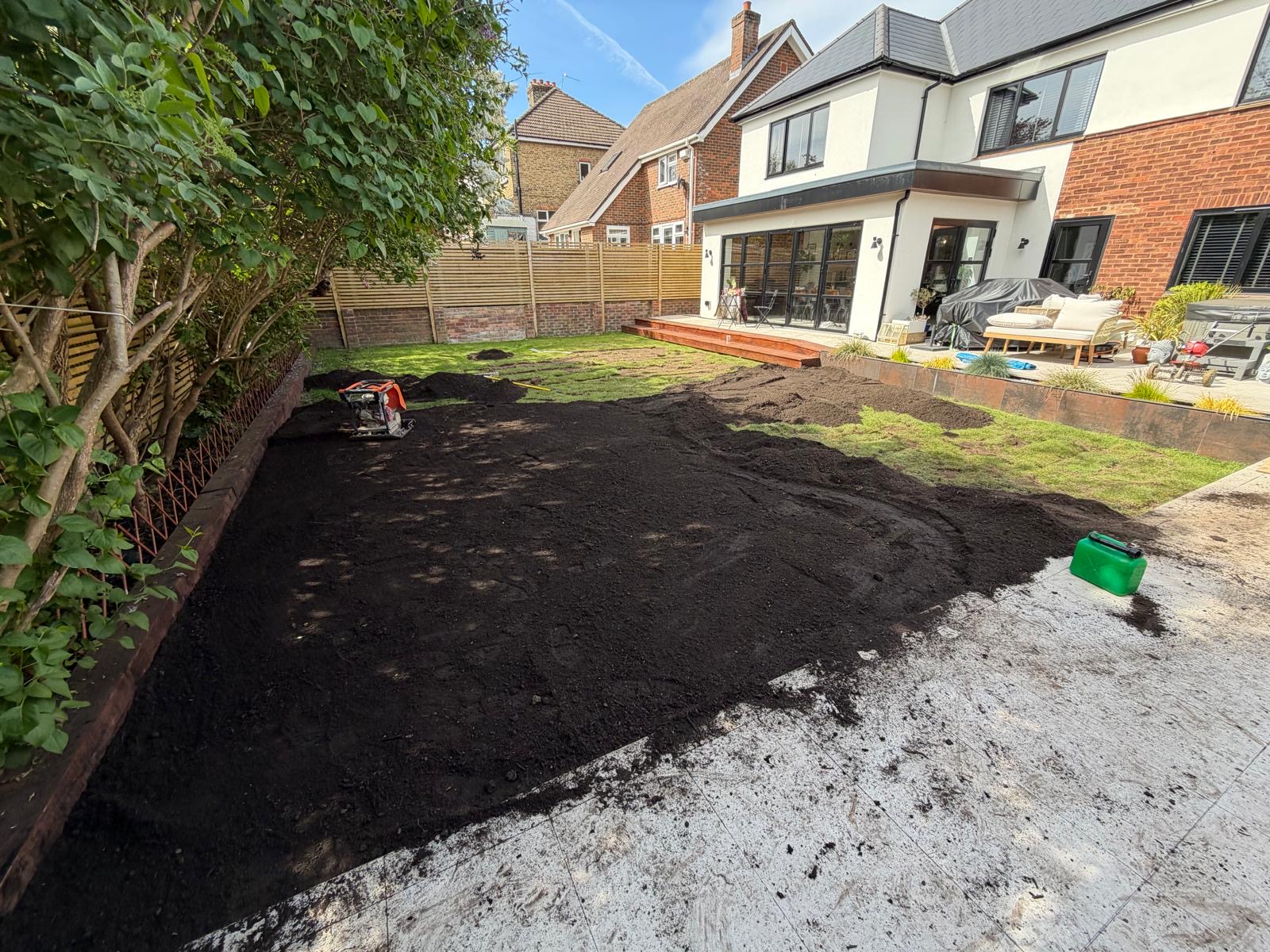
Loose topsoil settles by 15-25% under its own weight, more if you walk on it. For raises over 100mm, lay the soil in 50-75mm layers and run a plate compactor (whacker plate) over each layer.
Hire one for £30-50 a day. Without compaction you will end up with a lumpy lawn full of dips a few months later.
Topsoil to Buy
Buy premium screened topsoil in bulk bags for the main fill, and 30L bags for finishing or topping up. Avoid anything labelled recycled, soil-improver, or aggregate-blend. You want clean, fluffy soil that you can rake to a fine seed bed.

Cost Comparison: DIY vs Landscaper
| Item | DIY | Landscaper |
|---|---|---|
| Premium topsoil (per m² at 50mm depth) | £3-5 | £3-5 |
| Grass seed (per m²) | £0.50-1 | £0.50-1 |
| Granular new-seed fertiliser (per m²) | £0.20-0.40 | £0.20-0.40 |
| Compactor plate hire (per day) | £30-50 | £0 |
| Lawn roller hire (per day) | £20-30 | £0 |
| Labour (per m²) | £0 | £15-30 |
| Total for 50m² lawn (seed) | £200-400 | £950-1750 |
Step-by-Step Guide
Plan the Raise and Decide Seed vs Turf
Walk the lawn with a long spirit level or a straight plank to find the high and low spots. Decide how high you need to raise the lowest area to get a flat finish. Most domestic levelling is 25-150mm.
- Under 100mm raise: just lay topsoil over the existing lawn
- Over 100mm: hire a compactor plate and lay soil in layers
- Choose seed for cost and flexibility, turf for instant results
Prep the Existing Lawn
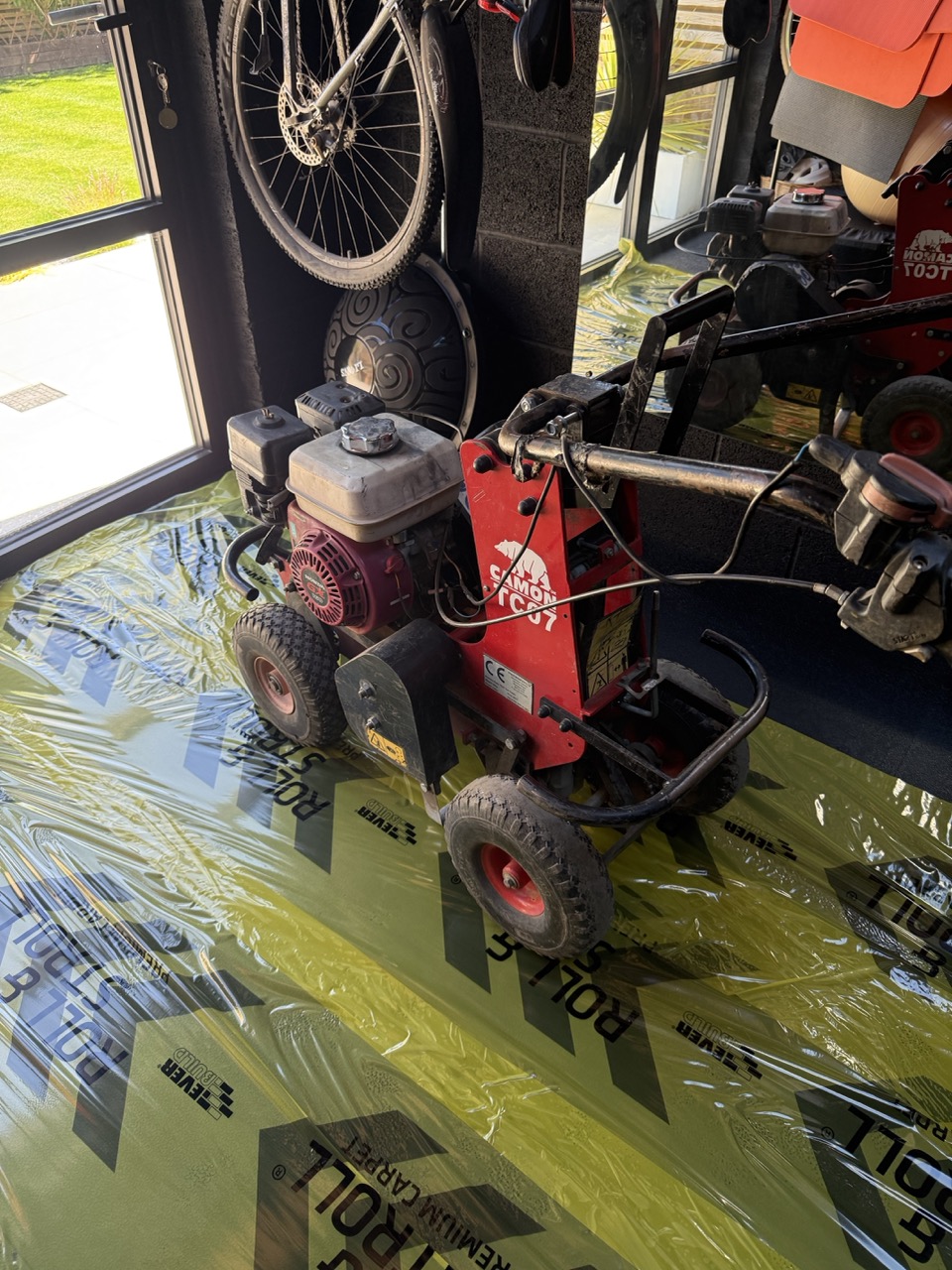 A petrol sod cutter, hire from £70-100 per day.
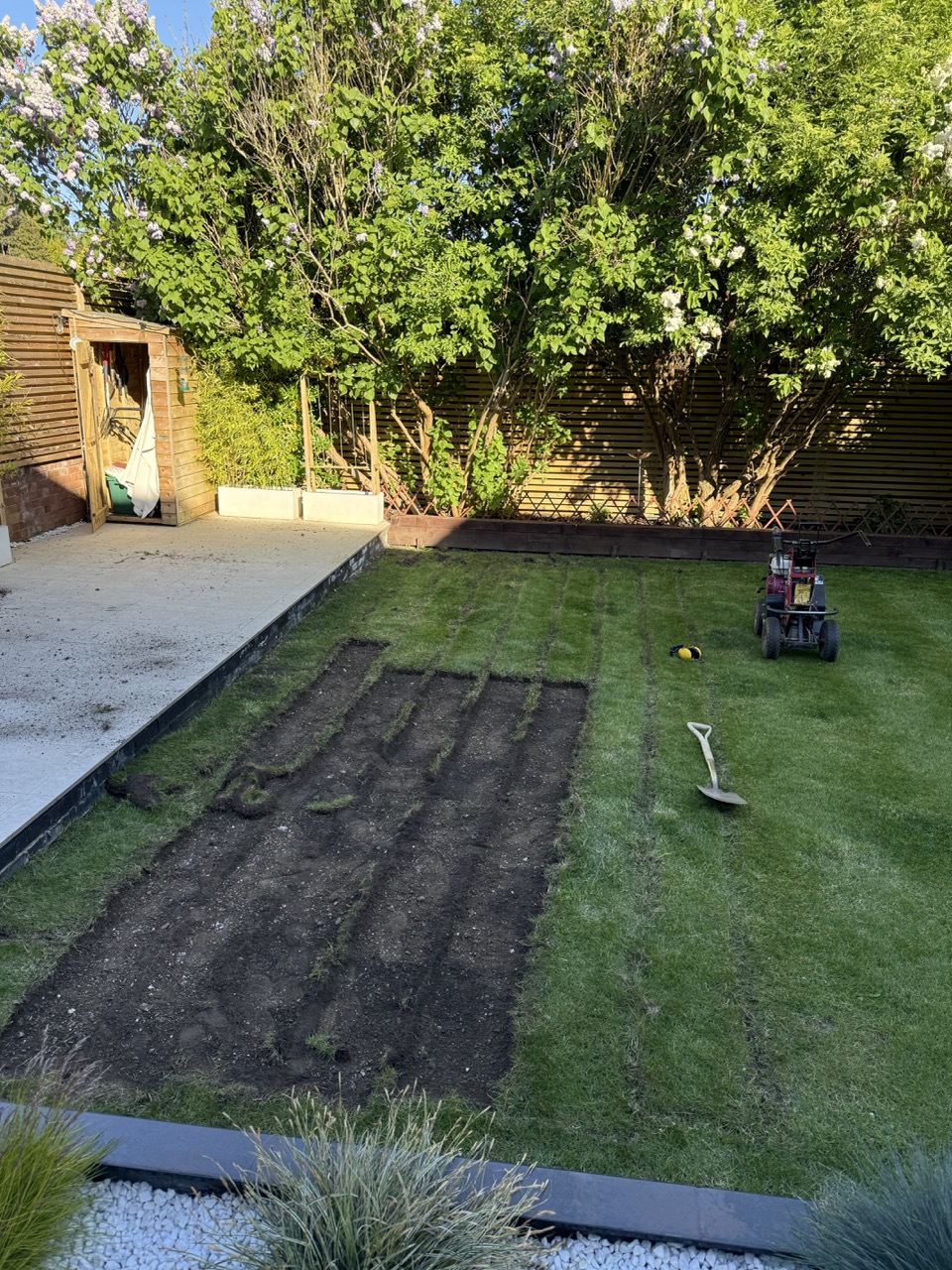 The cutter only works on level ground with clean soil.
You have two options:
Bury the existing lawn: Mow on the lowest setting. Scarify or rake out thatch and moss. Skip ahead to Step 3.
Strip the lawn first: Hire a sod cutter for £70-100 a day. Walk it across the lawn in straight strips. Roll up the cut turf and either compost it or use it stacked upside down to make loam. Only attempt this if your existing lawn is fairly level and the soil underneath is clean.
Spread Topsoil and Compact
Tip the topsoil onto the lawn and spread it with a shovel and rake. Work from the back of the area towards your access point so you are not walking over fresh soil.
- Spread in 50-75mm layers if raising over 100mm
- Run a compactor plate over each layer
- For thinner layers, walking it in is enough
Level With a Plank and Rake
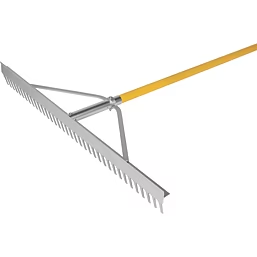 A landscaping rake. Wide head with stiff, blunt teeth for moving soil and breaking up clumps.
Drag a long straight wooden plank across the soil on its edge. It fills in dips and scrapes off high points. Rope it at each end so two people can pull it across in long smooth passes.
Then rake the surface with a landscape rake to break up clumps and get a fine, even finish. The wide head moves a lot of soil quickly. The aim is a soft seed bed about 10-20mm deep that grass roots can easily penetrate.
Apply Granular New-Seed Fertiliser
Use a granular pre-seed or new-lawn fertiliser. It is high in phosphorus and low in nitrogen, which encourages roots without scorching young seedlings. Standard lawn feed is too strong and will burn new grass.
Apply at the rate on the bag (typically 35-50g per m²) by hand or with a drop spreader, then lightly rake into the surface so it works into the top of the soil.
Sow the Seed (or Lay the Turf)
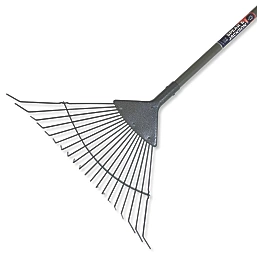 A springbok or fan rake. Thin flexible tines that disturb the very top of the soil without dragging seed around.
Seeding: Swap the heavy landscape rake for a springbok or fan rake. Lightly disturb the surface, then broadcast the seed by hand at 35-50g per m². You do not need to be precise. Aim for an even spread by eye. Rake again very lightly to mix the seed into the top 5mm of soil, then run a water-filled lawn roller over the area (hire from £20-30 a day). The aim is good seed-to-soil contact.
Turfing: Order the turf to arrive on the day you finish prep. Roll rolls out tight to each other with butt joints, never overlapping. Stagger the joints like brickwork. Press each roll down firmly. Water within 30 minutes of laying and do not walk on it until it has rooted in (2-3 weeks).
Water With a Sprinkler and Tap Timer
This is the step most people get wrong. New seed and new turf both need consistent moisture for the first 2-4 weeks. The soil should stay moist, not saturated. Hand watering is unreliable. Use an oscillating sprinkler on a tap timer.
Our schedule for spring (16-20°C, sunny):
- Early morning: 30 minutes
- Evening: 30 minutes
- Skip a session if it has rained heavily
- Add a midday session in hot weather (over 22°C)
Reduce to once a day after 2-3 weeks. Stop watering once the lawn is established (around 6 weeks for seed) and rely on rainfall, except in a drought.
Frequently Asked Questions
Spring (March to May) and early autumn (September) are the best times. Soil is warm enough for grass to establish but not so hot that new seed or turf dries out. We levelled and seeded in spring with daytime temperatures of 16-20°C and got strong germination within 10-14 days. Avoid mid-summer (too dry) and winter (too cold and wet).
For minor levelling, 25-50mm of premium topsoil over the existing lawn is usually enough. For raising the level by more than 100mm, lay it in layers and compact between each layer with a plate compactor (whacker plate) to limit sinkage. We raised one section by 150mm and the compactor was essential.
Yes, but cut the existing grass on the lowest mower setting first. The grass underneath will decompose and cause some sinkage as it breaks down, so the shorter you cut it, the less you sink later. For deeper raises, it is better to strip the turf first or accept that you will need to top up with more soil after a few months.
Seed is much cheaper (around £15-30 per kg covering 25-50m²) and gives a more even result if you can wait 6-8 weeks. Turf is instant and lets you walk on the lawn within 2-3 weeks, but it costs 5-10x more and goes off quickly. Never order turf until your prep is finished and you can lay it the same day or the next.
Twice a day, early morning and evening, until the seed has germinated and grass is 50mm tall. We used a sprinkler on a tap timer for 30 minutes per session in 16-20°C sunny weather. The soil should stay moist, not saturated. In hot weather you may need three sessions a day. Stop watering once the lawn is established and rely on rainfall except in a drought.
Yes. Use a granular pre-seed or new lawn fertiliser before sowing. It is high in phosphorus to encourage root development. Standard lawn feed is too high in nitrogen for young seedlings and can scorch them. Apply at the rate on the bag, rake in lightly, then sow your seed.
A turf cutter only works well on a level lawn with good clean soil underneath. If the lawn is uneven or the soil is full of stones (common with builders rubble or recycled topsoil), the blade catches and tears the turf into ragged pieces full of stones, which are no good for relaying. We learned this the hard way, gave up, and buried the cut turf instead.
No. Recycled topsoil is dense, heavy, and usually full of stones, roots, and other debris. It is fine for backfilling a deep hole if you have a digger and dumper, but it is hard work to move by hand and gives a poor seed bed. Always buy premium screened topsoil for new lawns. It is fluffier, lighter, and far easier to spread by shovel and rake.
Materials You'll Need
- Premium topsoil
Bulk bag covers ~12-15m² at 40mm
- Grass seed
35-50g per m². Shade or general-purpose mix
- Granular new-seed fertiliser
High phosphorus, low nitrogen
- Turf (optional)
Order only when prep is finished
Tools Required
- Shovel and wheelbarrow
- Landscape rake (for levelling)
- Springbok or fan rake (for seeding)
- Long straight plank with rope
- Lawnmower
- Plate compactor for raises over 100mm (hire)
- Lawn roller (hire)
- Oscillating sprinkler
- Tap timer
- Sod cutter for stripping (optional, hire)
Top Tips
- Time it for spring or autumn
Cool, damp weather gives the best germination.
- Buy 10-15% more topsoil than you think
Soil settles and you will always find low spots you missed.
- Keep birds off the seed
Cover with horticultural fleece or use seed treated with bird repellent.
- First mow at 50-75mm tall
Use a sharp blade on the highest setting and only take off the top third.