
Timber Buying Guide. CLS, Regularised, Treated UK Prices.
From structural framing to finishing touches, timber is essential in construction. Our comprehensive guide covers grades, treatments, CLS, sheet materials, and outdoor timber, and helps you find the best prices from UK suppliers.
Browse Timber
Timber Grades: C16 and C24
Structural softwood in the UK is machine strength graded to C16 or C24, and every graded length carries a stamp showing its grade. C16 is the standard grade for general domestic work: stud walls, non-critical framing, and light duty joists. C24 is stronger and stiffer with fewer defects, allowing longer spans or shallower joists for the same load, and it is the sensible default for floor joists, flat roofs, and decking frames. The price difference between the two is often small, and many merchants now stock C24 only in the common sizes. If your structural engineer or building control drawings specify a grade, treat that grade as the minimum. You can substitute C24 where C16 is specified, but never the other way round.
CLS Timber for Stud Walls
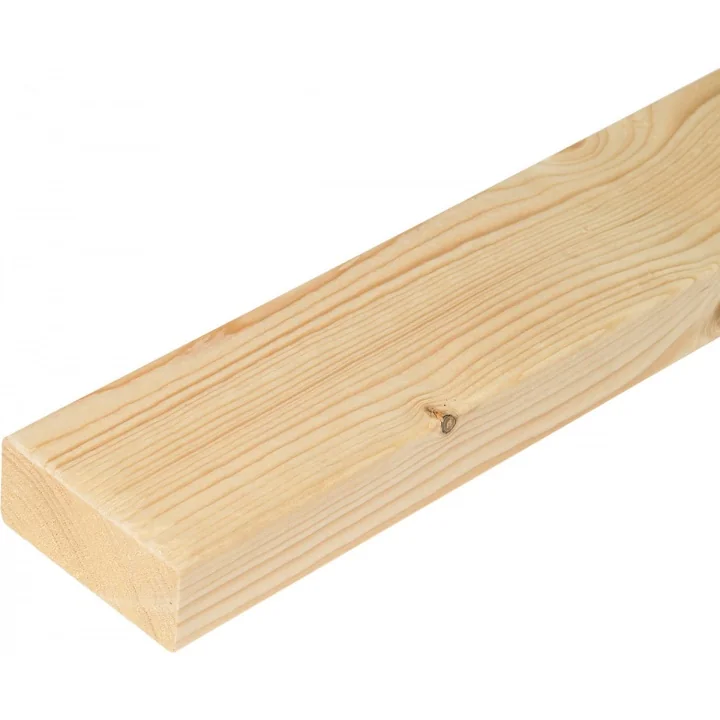
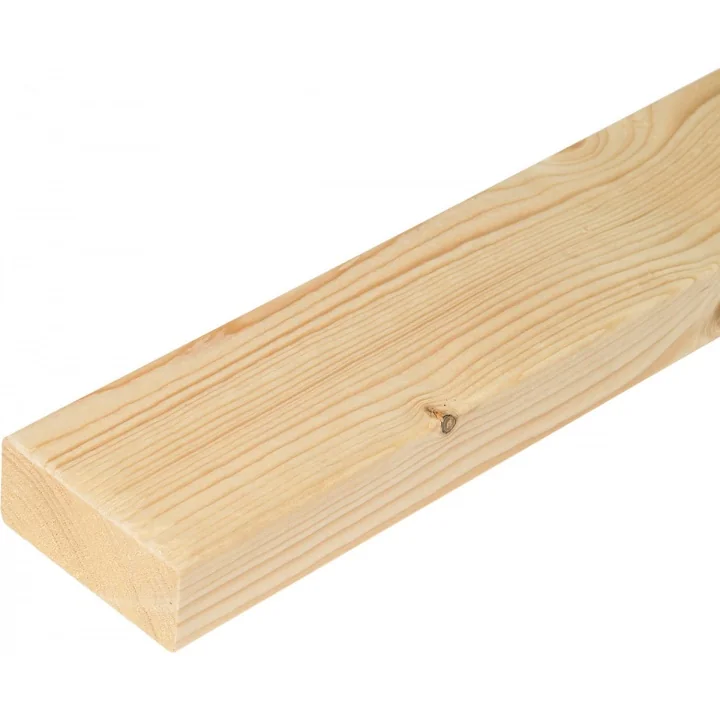
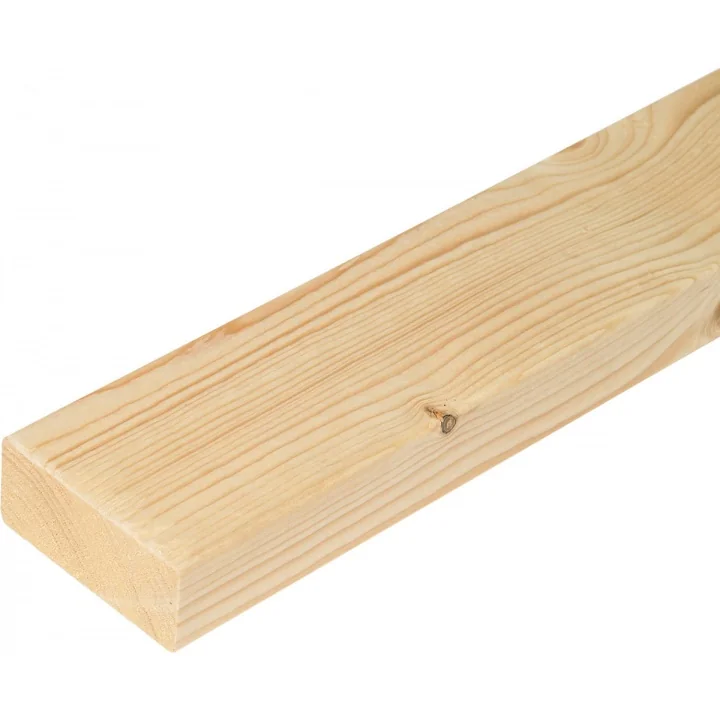
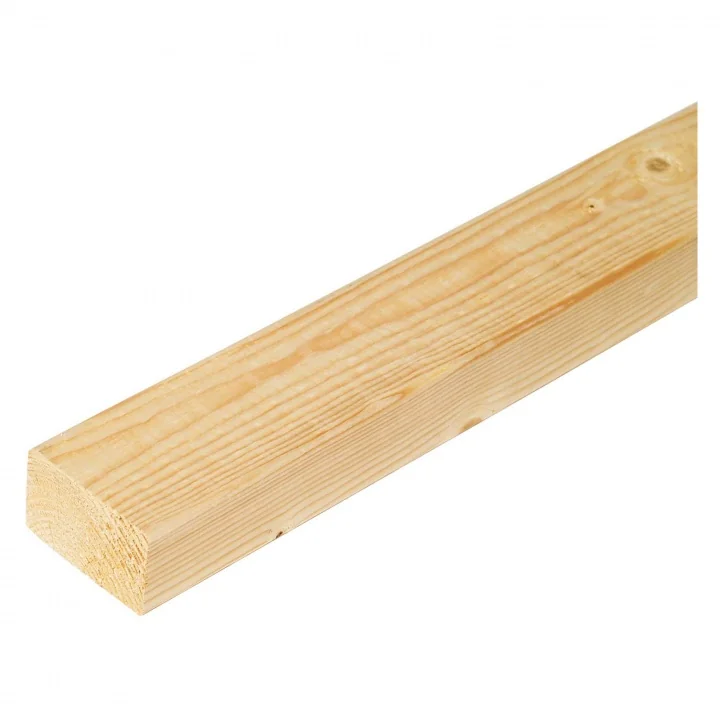
CLS (Canadian Lumber Standard) is planed timber with rounded corners, originally a North American framing standard and now the default choice for internal stud walls in the UK. It is sold in two nominal sizes: 75x50mm (3" x 2"), which finishes at roughly 63x38mm, and 100x50mm (4" x 2"), which finishes at roughly 89x38mm. Use 100x50mm CLS for standard stud walls, since the extra depth gives a stiffer wall, more room for services and insulation, and matches standard door linings. 75x50mm suits cupboards, boxing-in, and partitions where every centimetre of floor space counts. Set studs at 400mm centres for 12.5mm plasterboard, add noggins at mid height, and choose 2.4m or 3m lengths depending on your ceiling height.
Structural Treated Timber
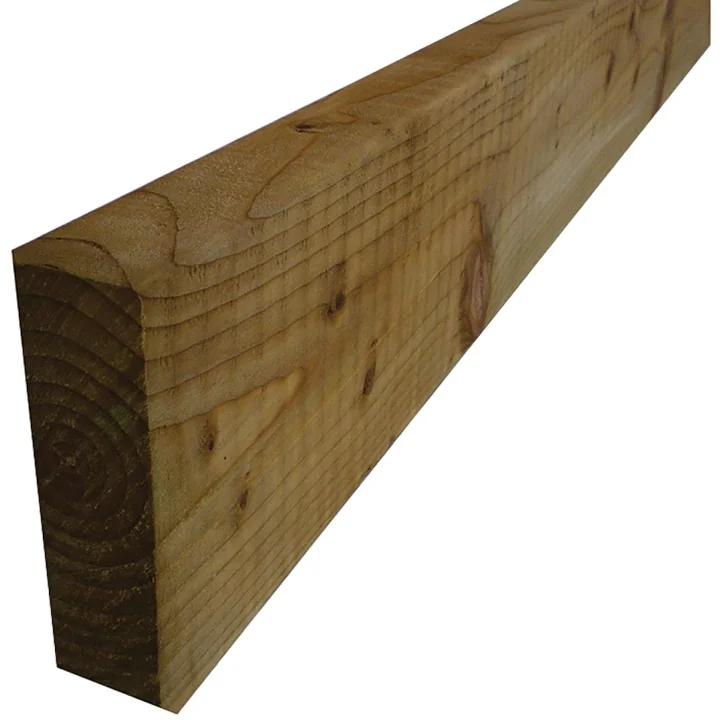
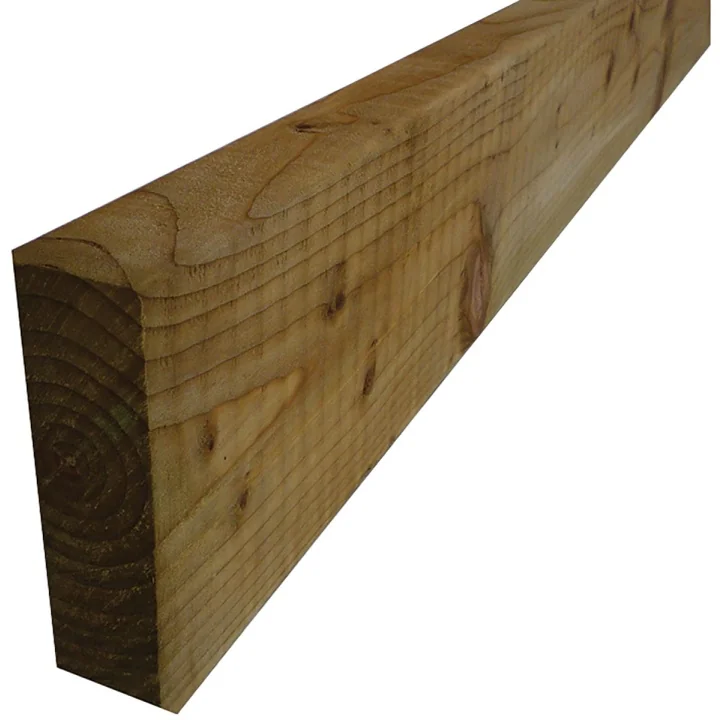
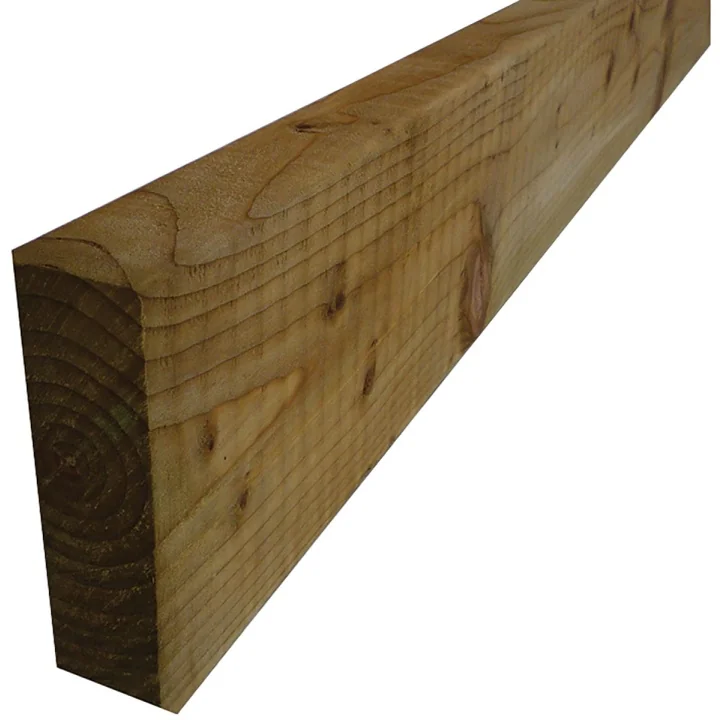
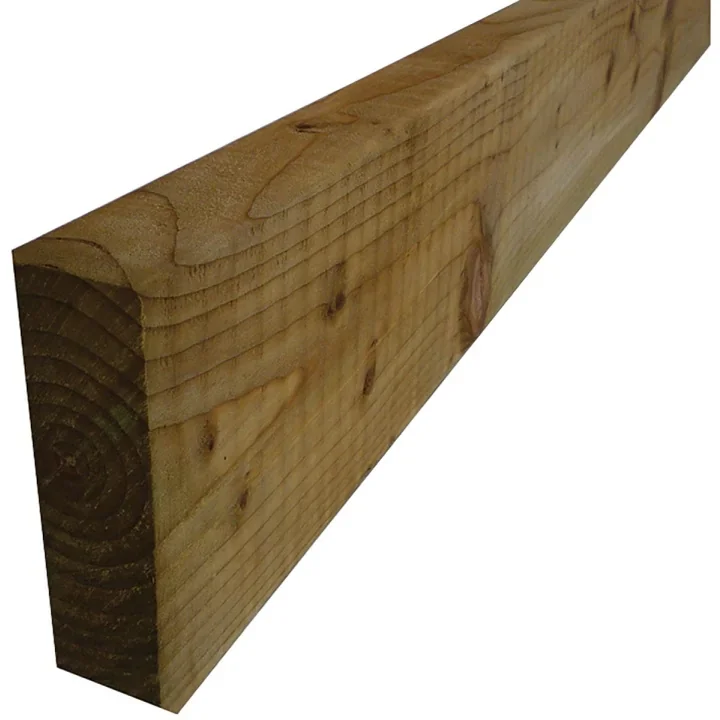
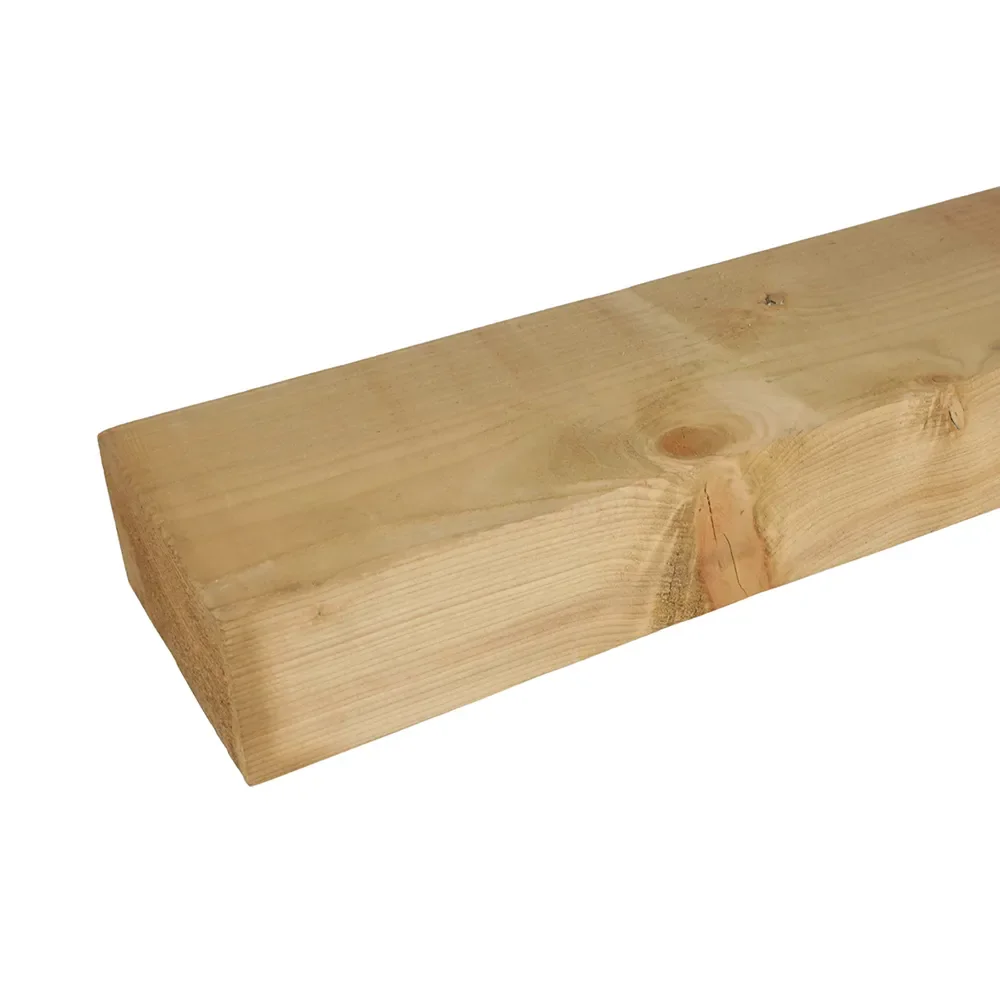
Treated C24 carcassing in 47mm thicknesses is the workhorse of structural carpentry: floor joists, flat roof joists, deck frames, and pergolas. Depths run from 100mm to 225mm, and the deeper the joist, the further it can span. As a rough guide at 400mm centres, 47x100mm spans around 2m, 47x150mm around 3m, and 47x200mm around 4m, but always confirm spans against the tables in the building regulations or your structural engineer's design. Lengths of 2.4m, 3.6m, and 4.8m are standard, so plan your cutting list around them to minimise waste. The green treatment protects against rot and insect attack, but every cut end exposes untreated timber, so brush cut ends with end grain preservative, especially outdoors.
Sheet Materials: OSB, Plywood, MDF and Chipboard
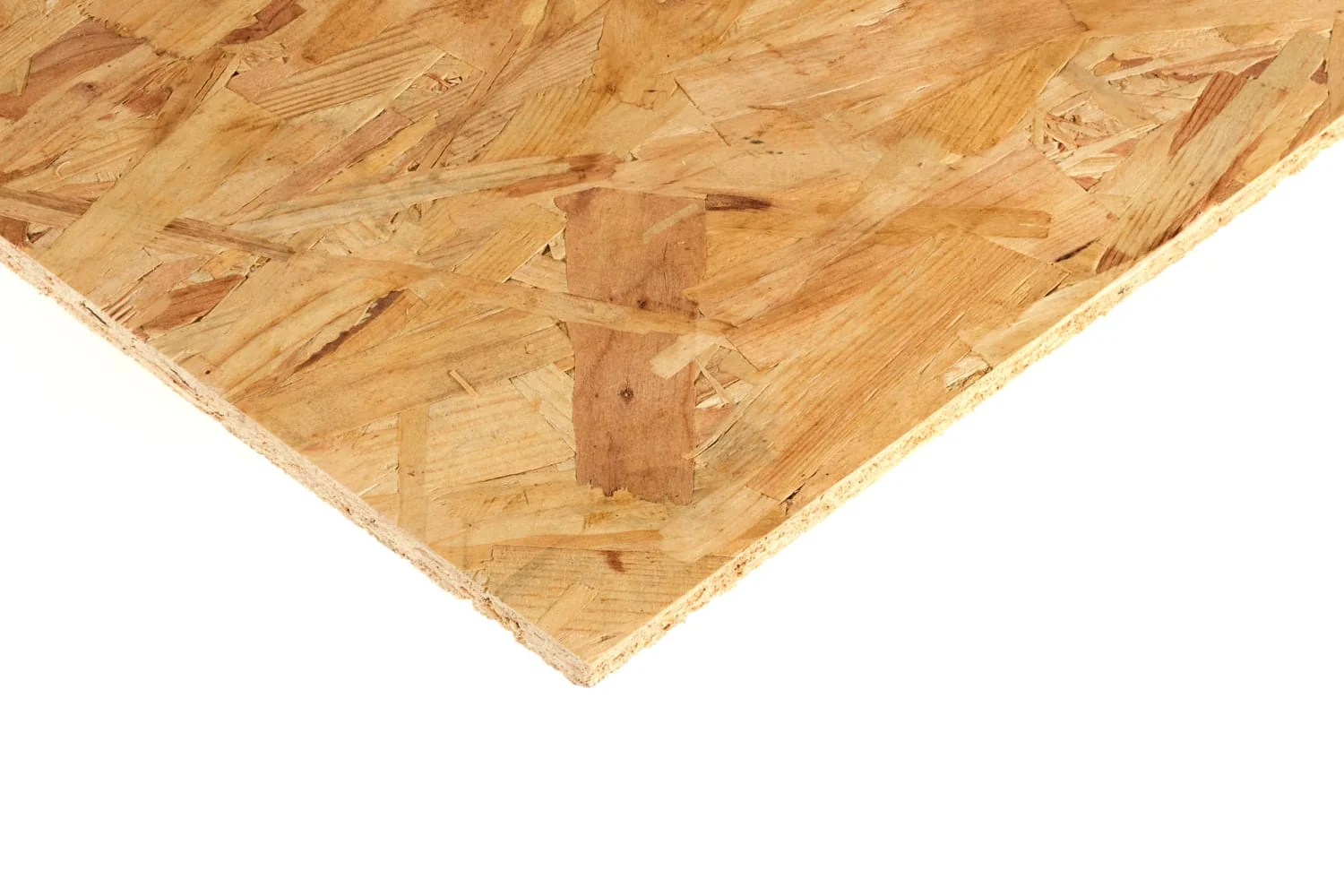
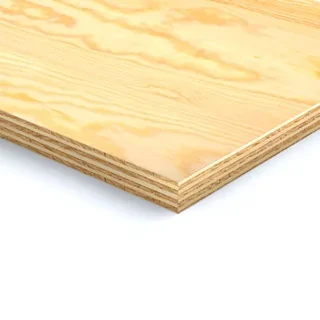
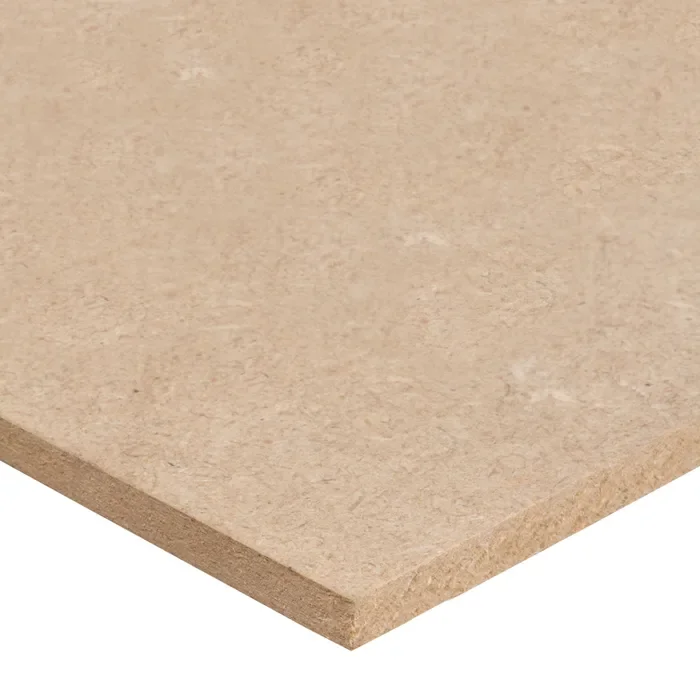
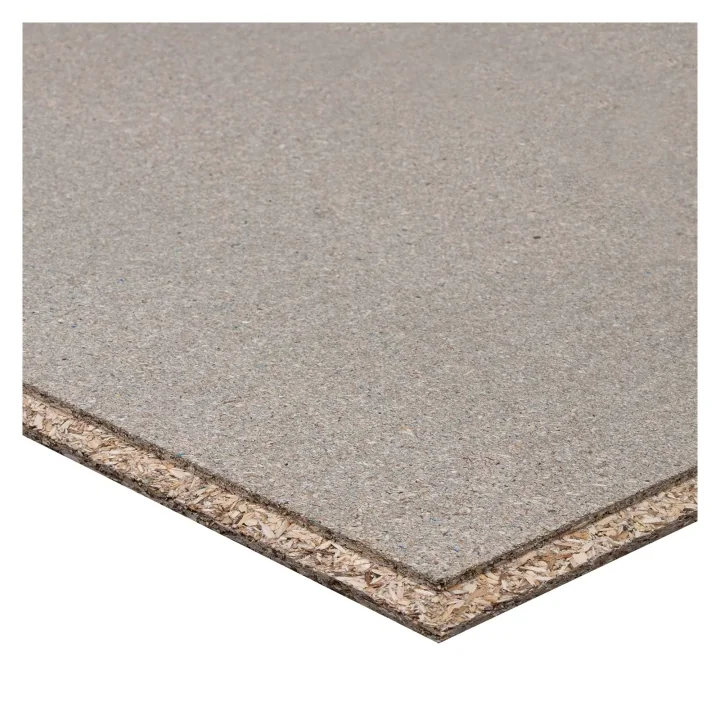
OSB3 is the cheapest structural sheet and is moisture resistant, making it the standard choice for roof decks, sheathing, and site hoarding. 18mm is the usual structural thickness, with 9mm and 11mm for lighter duties. Plywood is stronger and holds screws better. General purpose plywood suits shelving, boxing, and linings, structural plywood is for load-bearing decks and gussets, and marine plywood uses waterproof glue for consistently damp locations. MDF is for internal joinery that will be painted: it machines cleanly with no knots or grain, and moisture resistant MDF (usually green tinted) is the safer choice in kitchens and bathrooms. Tongue and groove floor grade chipboard in 18mm or 22mm is the standard upstairs flooring deck. Glue every joint and the perimeter with flooring adhesive to prevent squeaks.
Timber Treatment and Use Classes
Timber treatment is specified by use class. UC1 and UC2 cover internal timber, UC3 covers outdoor timber above ground such as fence rails, cladding, and decking, and UC4 covers timber in ground contact or permanently wet, such as fence posts and sleepers. Standard green treated carcassing is generally treated to UC2 or UC3, so do not assume any treated timber can go in the ground. Posts need UC4. Treatment only penetrates the outer few millimetres on most timber, so re-treat every cut, notch, and drilled hole with a brush-on preservative. Fresh treated timber often arrives damp from the treatment process. Let it dry before painting, staining, or sealing, which can take several weeks. If water still beads on the surface, it is not ready.
Decking, Fencing and Outdoor Timber
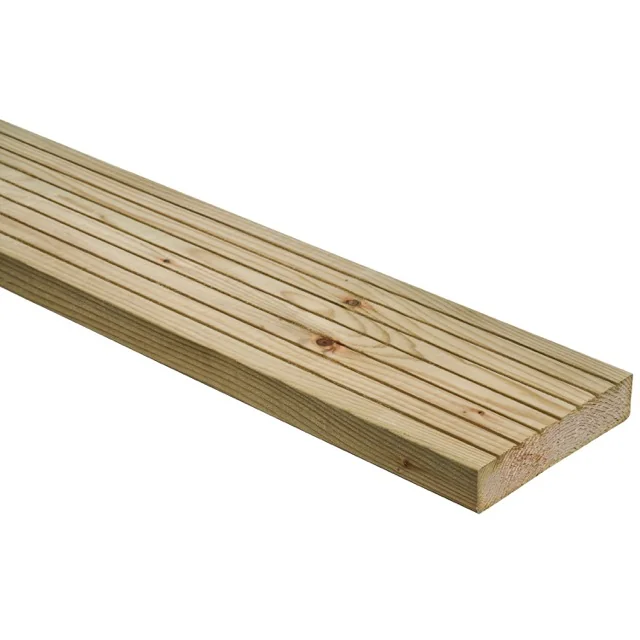
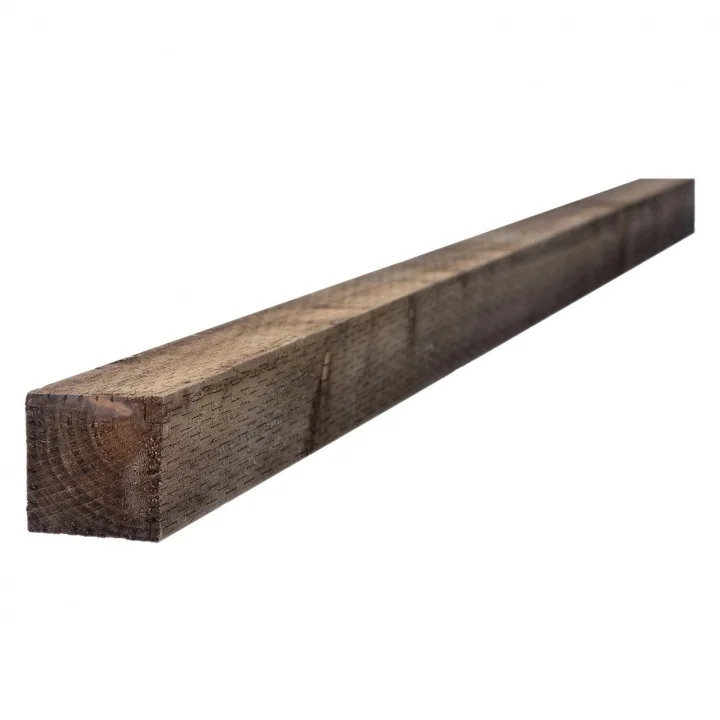
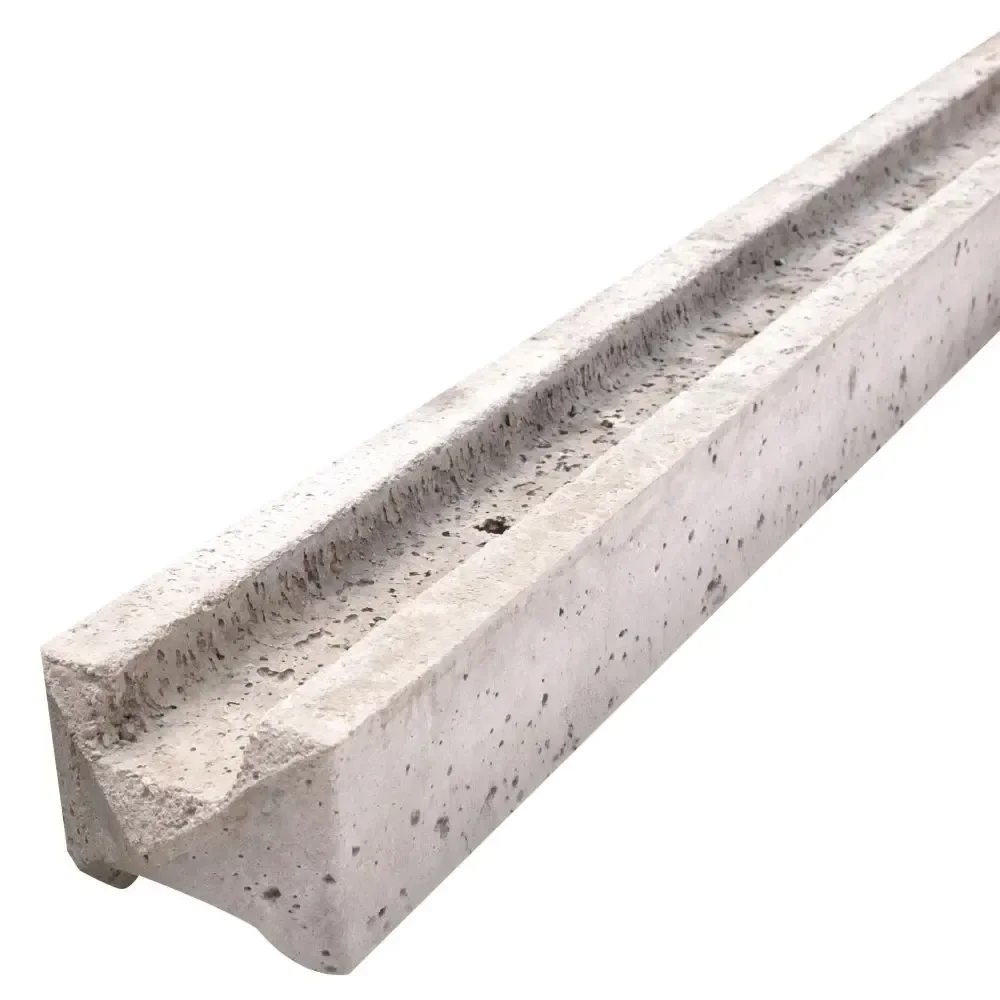
Treated decking boards come in two common profiles: 120x25mm for light domestic decks and 150x32mm where you want a more solid feel and wider joist spacing. Frame the deck in treated C24 and fix boards with two stainless or coated decking screws per joist. For fencing, timber posts should be 75x75mm for panels up to 1.5m tall and 100x100mm for 6ft fences, set 600mm into the ground in postcrete. Concrete posts and gravel boards cost more upfront but outlast timber posts by decades, since posts almost always fail at ground level where moisture sits. Treated sleepers are a quick way to build raised beds, steps, and retaining edges up to a couple of courses high.
Skirting, Architrave and Finishing Timber
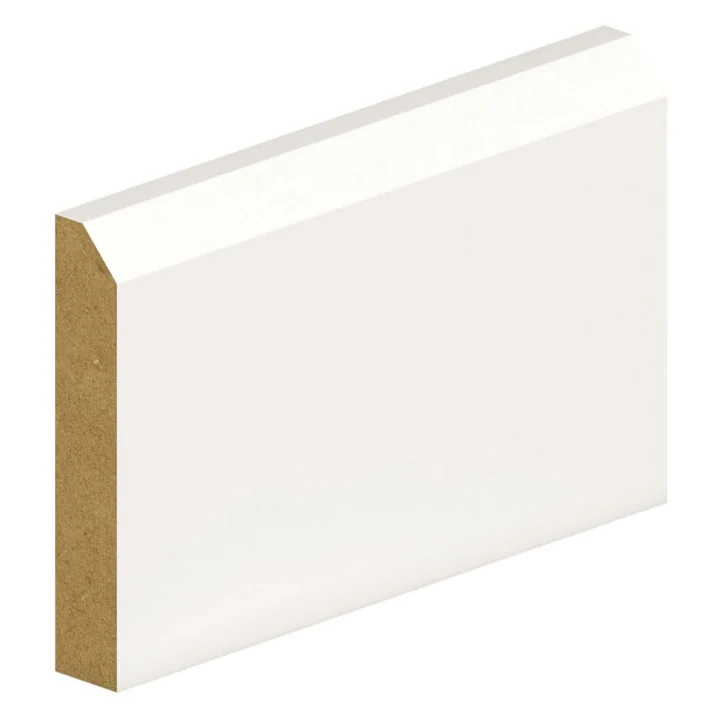
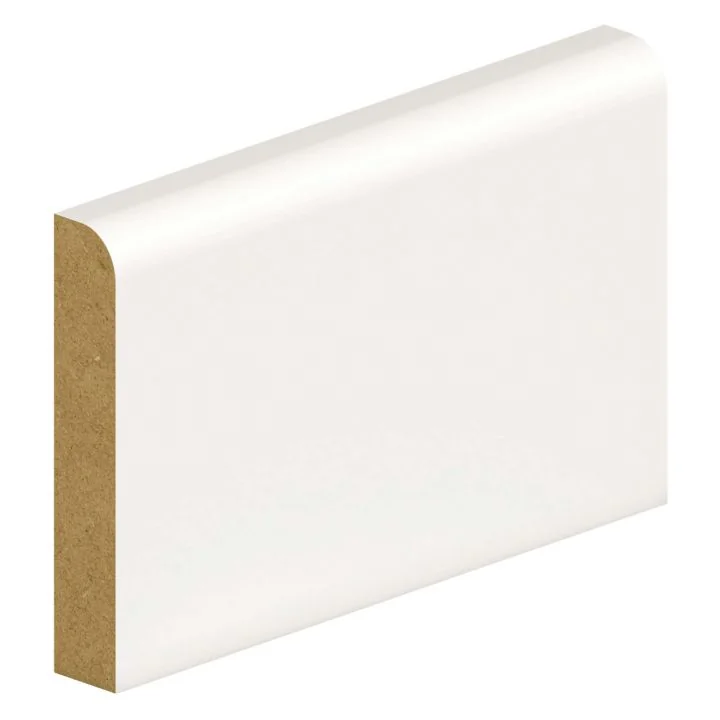
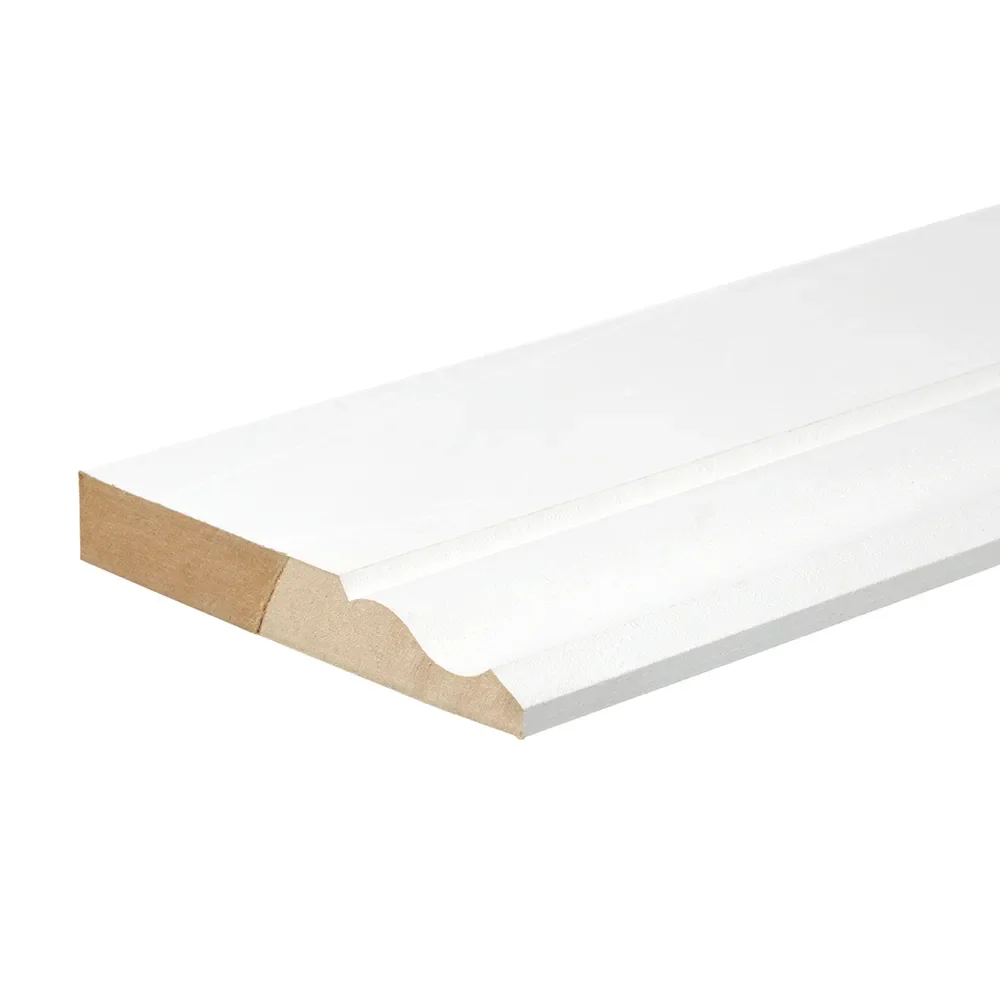
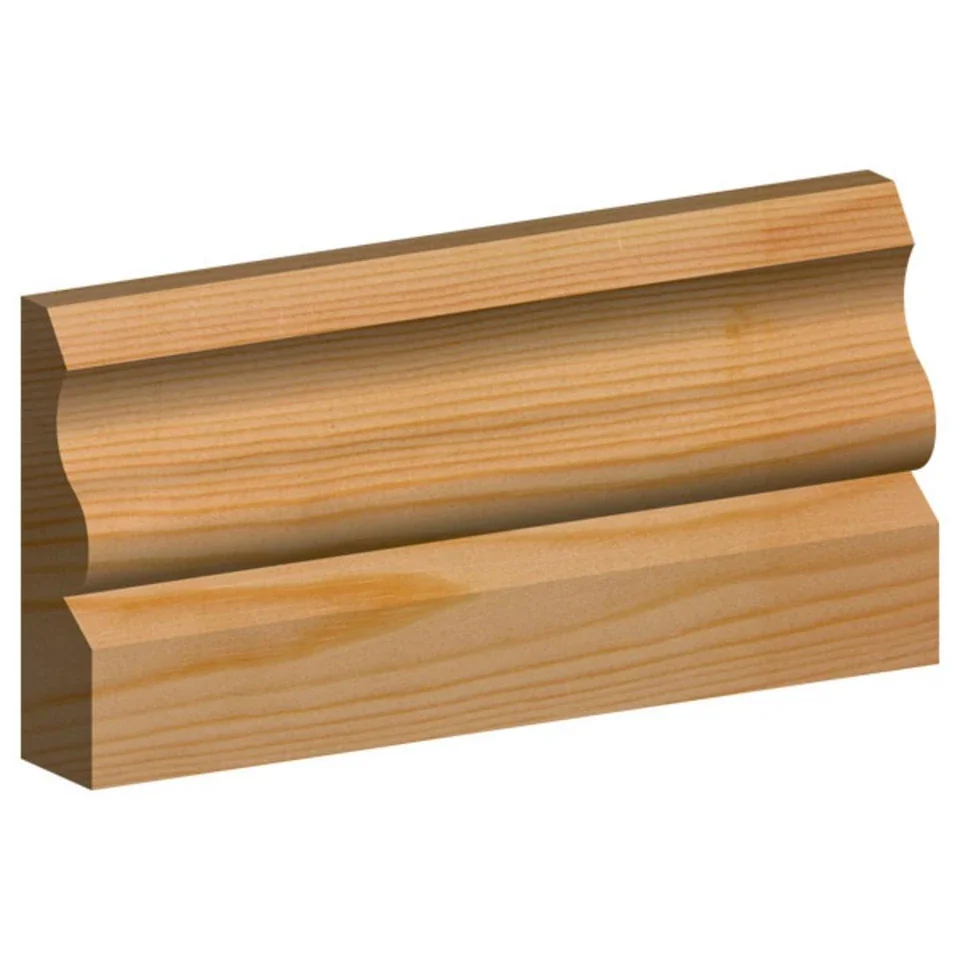
Primed MDF has largely replaced softwood for skirting and architrave. It is stable, knot-free, arrives ready for a topcoat, and will not bleed resin through the paint. Softwood still makes sense where you want a stained or varnished finish, or to match existing joinery in older homes. Profiles are a style choice: square edge and chamfered look modern, bullnose is a soft classic, and ogee and torus are the traditional mouldings found in most period housing. Match your architrave profile to the skirting, and as a rule of thumb the architrave should be one size smaller. Measure the room perimeter, subtract door openings, and buy one extra length as insurance against miscuts. PAR (planed all round) softwood covers shelving, framing out, and general second fix work. Remember that quoted PAR sizes are nominal, so 25x50mm finishes closer to 20x44mm.
Buying Tips
Timber quality varies within a pack, so if you collect, sight down each length and reject anything with a heavy bow, twist, or large edge knots. If you order for delivery, expect one or two imperfect lengths and order accordingly. Store timber flat on bearers off the ground, and let internal timber acclimatise in the room for a few days before fixing to reduce movement after installation. Merchants sell some sizes per metre and cut to length, and others as fixed lengths, so check which you are comparing when you look at prices. For structural work, buy the grade on your drawings and keep lengths as delivered until you are ready to cut, since offcuts are rarely returnable.
Helpful Calculators
Frequently Asked Questions
What size timber do I need for stud walls?
Standard stud walls use 100x50mm nominal CLS (which finishes at roughly 89x38mm) for the studs, head plate, and sole plate. Use 75x50mm CLS where floor space is tight and the wall carries nothing but plasterboard. For load-bearing walls, consult a structural engineer.
What is the difference between C16 and C24 timber?
C24 is a higher strength grade with tighter limits on knots and defects, allowing longer spans for the same joist size. C16 is adequate for most domestic construction. The price gap is usually small, and if your drawings specify C24 you cannot substitute C16.
Do I need treated timber for a shed floor?
Yes, timber in contact with or near the ground should be pressure treated to prevent rot. Bearers sitting on the ground need UC4 treatment, and every cut end should be re-treated with brush-on preservative.
Should I use OSB or plywood?
OSB3 is cheaper, consistent, and moisture resistant, and is fine for sheathing, roof decks, and general boarding. Plywood is stronger, holds fixings better, and gives a cleaner finish. Save marine plywood for locations that stay damp, since it costs significantly more.
Can I paint treated timber straight away?
Not usually. Pressure treated timber often arrives saturated from the treatment process and needs several weeks of drying before paint or stain will adhere. Splash water on the surface: if it beads, wait, and if it soaks in, the timber is ready.
What sizes does CLS timber come in?
CLS comes in two common sections: 75x50mm nominal (finished about 63x38mm) and 100x50mm nominal (finished about 89x38mm), in 2.4m and 3m lengths. Use the finished size when setting out, not the nominal size.
Is MDF or softwood better for skirting?
Primed MDF is more stable, has no knots, and takes paint better, so it is the default choice for painted finishes. Choose softwood if you want to stain or varnish, and moisture resistant MDF for bathrooms and kitchens.