
Roofing Materials Buying Guide. Tiles, Slates, UK Prices.
From traditional plain tiles to modern interlocking formats, choosing the right roofing is crucial for protection and appearance. Our comprehensive guide covers tiles, slates, ridges, underlay, battens, and lead flashing, with live prices from UK merchants.
Browse Roofing
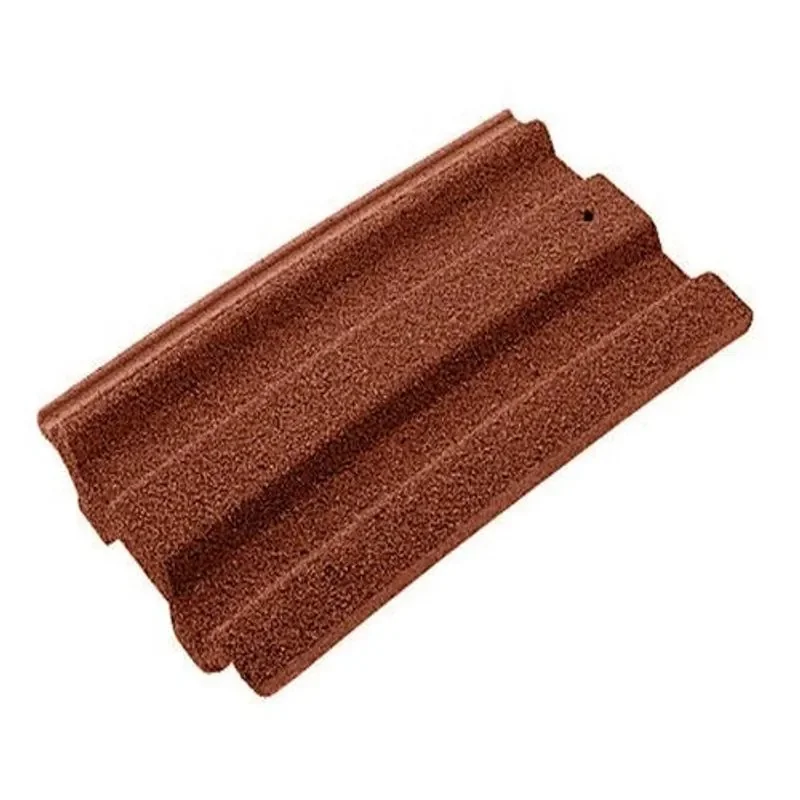
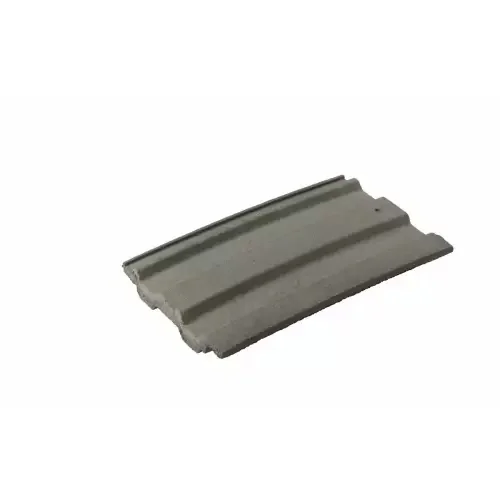
Interlocking Concrete Tiles
Interlocking tiles like the Redland 49 are the most economical way to cover a roof. Each tile is a larger format (382 x 226mm) and the side interlock means they lay single lap, so you only need around 16 tiles per square metre compared with 60 for plain tiles. That means less weight, fewer battens, and much faster coverage. They suit most house roofs with a pitch of around 30 degrees or more, and the common patterns have been made for decades, so replacements are easy to find. When re-roofing or extending, match the existing tile pattern first, then colour. Weathered tiles fade, so a brand new tile will always stand out for the first few years.
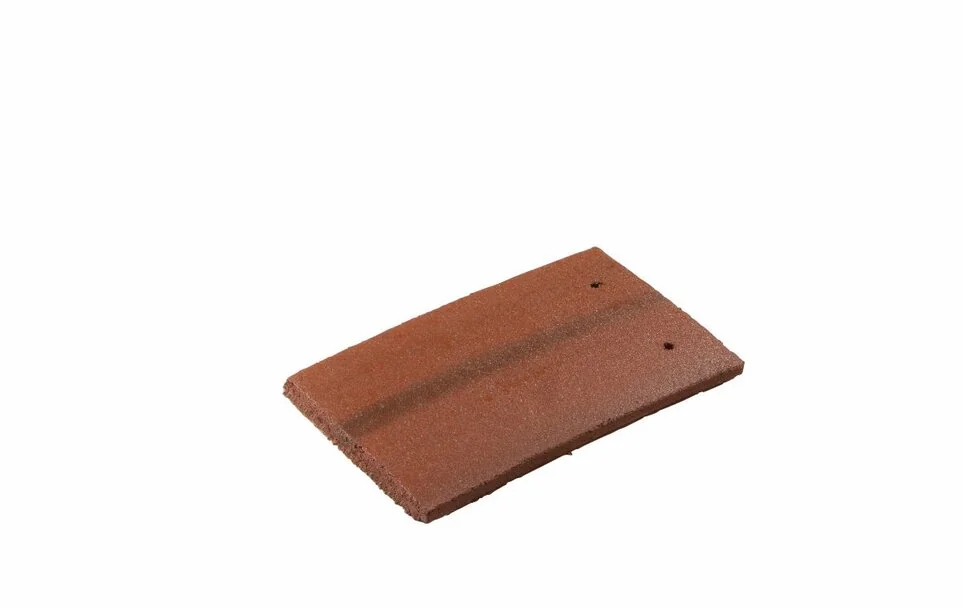
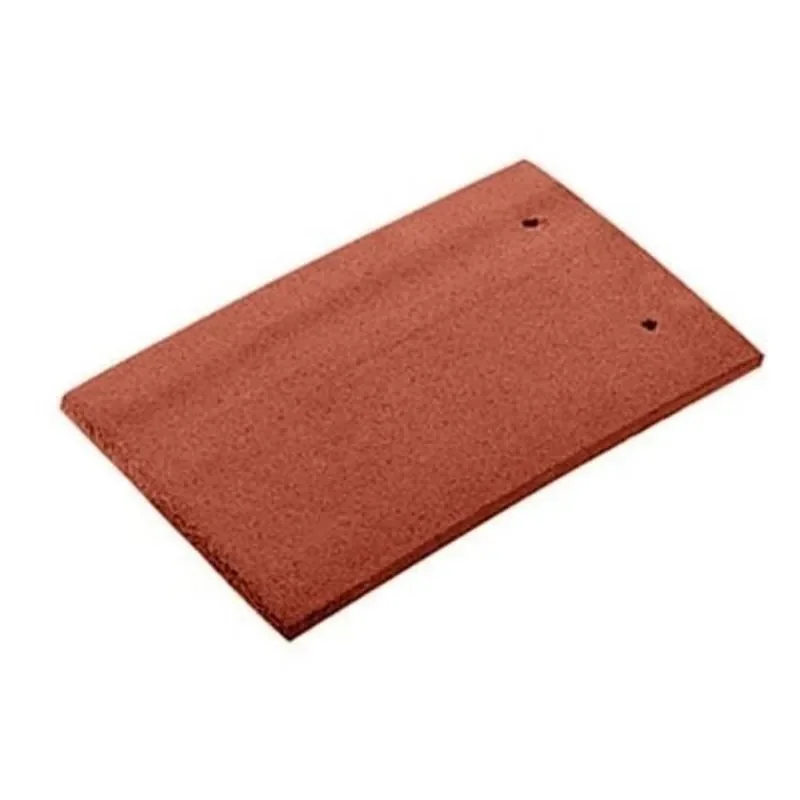
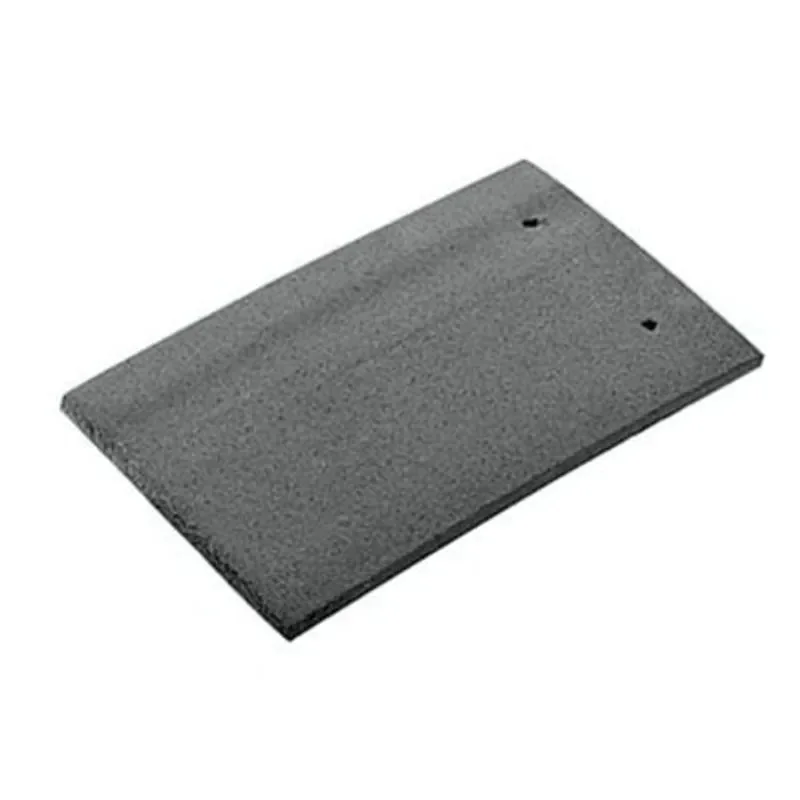
Plain Tiles
Plain tiles are the traditional small format: 268 x 165mm with a gentle camber, laid double lap so every part of the roof has at least two thicknesses of tile. You need around 60 per square metre, which makes them more expensive to buy and lay than interlocking tiles, but nothing else gives the same classic appearance on period properties and high quality new builds. They need a pitch of at least 35 degrees. Concrete plain tiles are the affordable option, with clay plains costing more but holding their colour for life. Tiles are nailed or clipped to the fixing specification, and you will also need tile-and-a-half tiles at verges plus special short courses at the eaves and ridge.
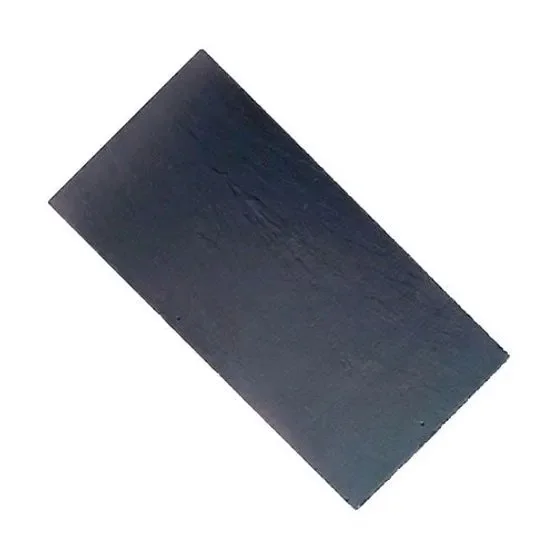
Slates and Fibre Cement Slates
Natural slate is the premium roof covering, lasting 75 to 100 years or more. Fibre cement slates give a similar crisp, flat appearance at a fraction of the price and weight. They are uniform in size and thickness, which makes them faster to lay than natural slate, and a 600 x 300mm slate covers the roof at about 13 per square metre. The trade-off is lifespan, typically 40 to 60 years, and a more uniform look than riven natural slate. Fibre cement slates can also be used at lower pitches than tiles, down to around 20 degrees with the correct headlap. Each slate is nailed twice and the tail is secured with a copper disc rivet.
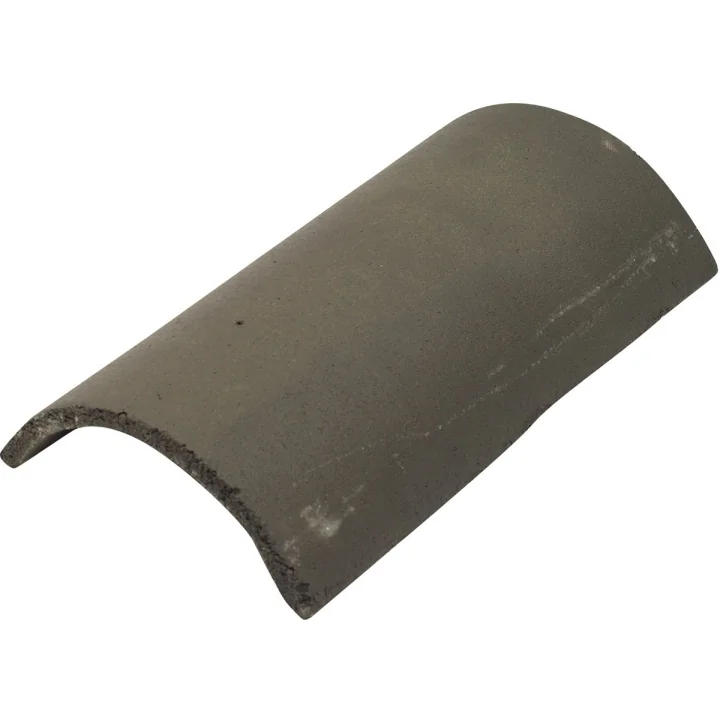
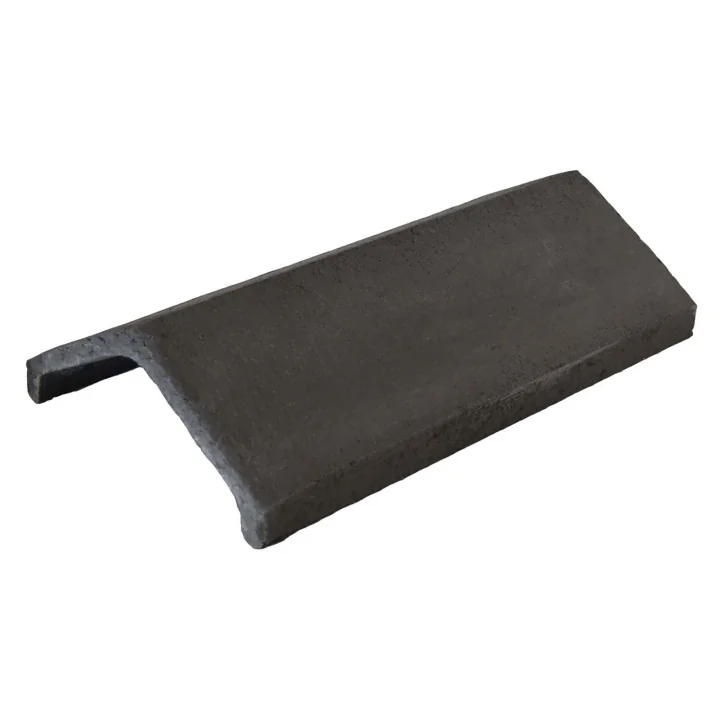
Ridge Tiles and Dry Fix Systems
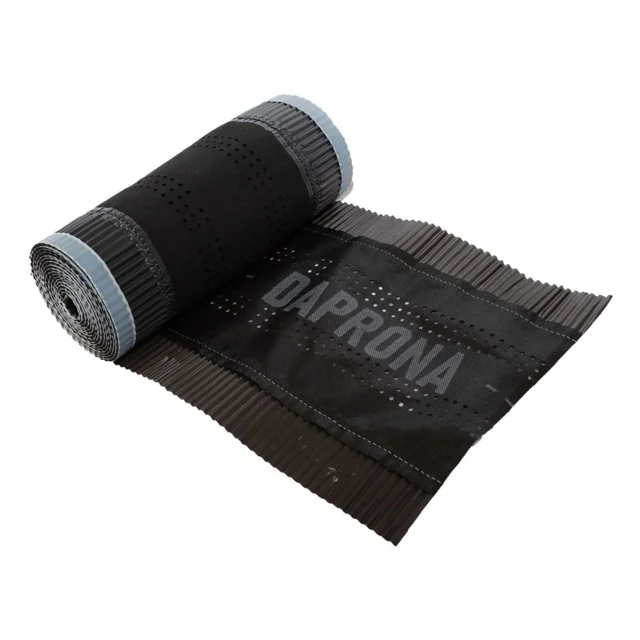
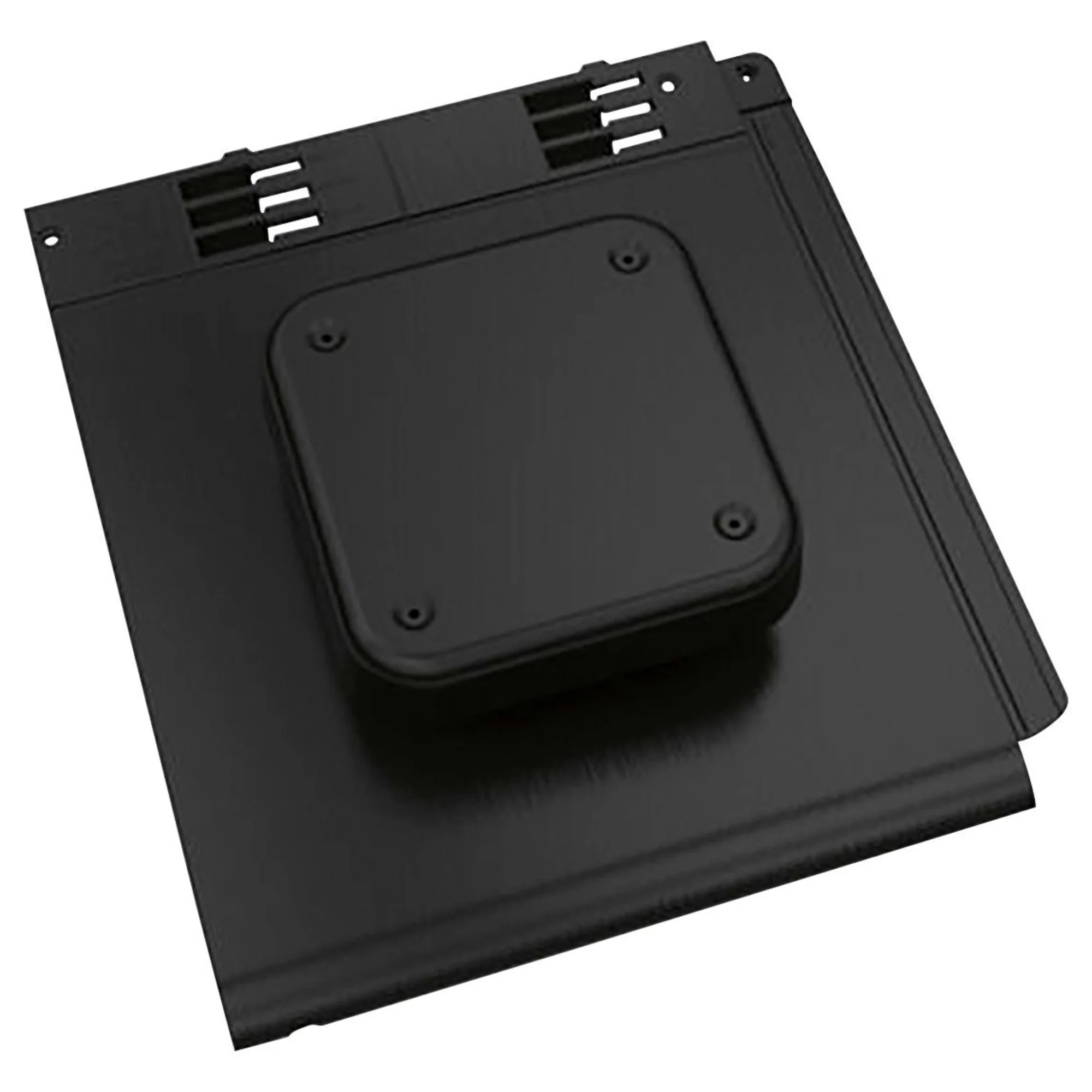
Ridges and hips are finished with half round or angle ridge tiles. Traditionally these were bedded in mortar, but mortar alone is no longer an acceptable fixing: BS 5534 requires every ridge and hip tile to be mechanically fixed on new roofs and re-roofs. Dry ridge systems do this with screws, clamps, and a ventilated roll that seals the joint while letting air out of the roof space, and they need no maintenance afterwards. A ventilated ridge roll or in-line tile ventilators also provide the high-level ventilation that modern roof build-ups need to prevent condensation in the loft.
Underlay and Battens
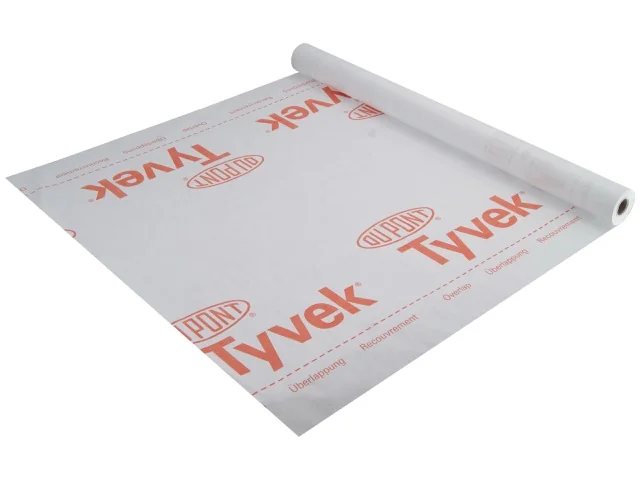
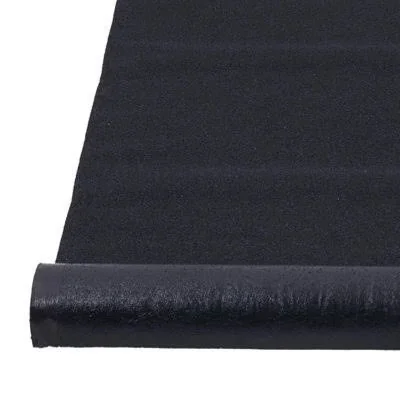
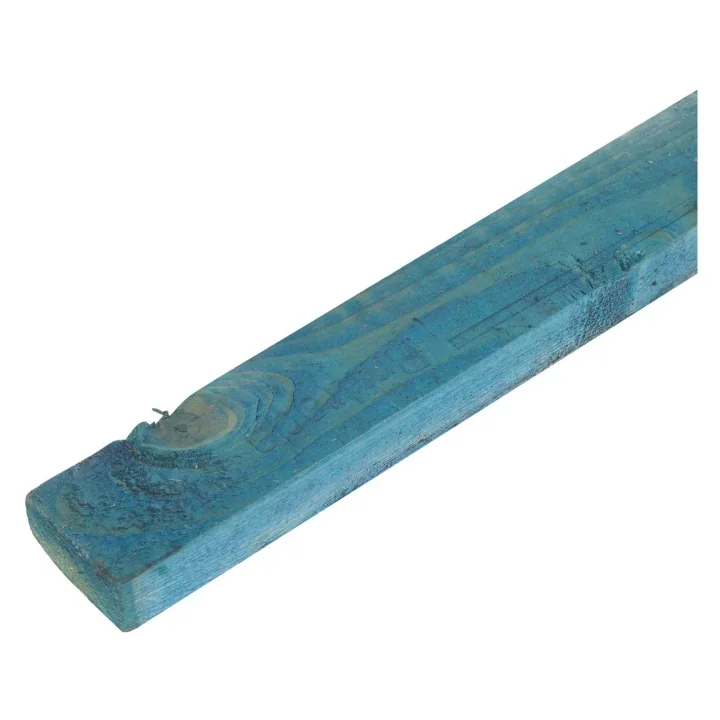
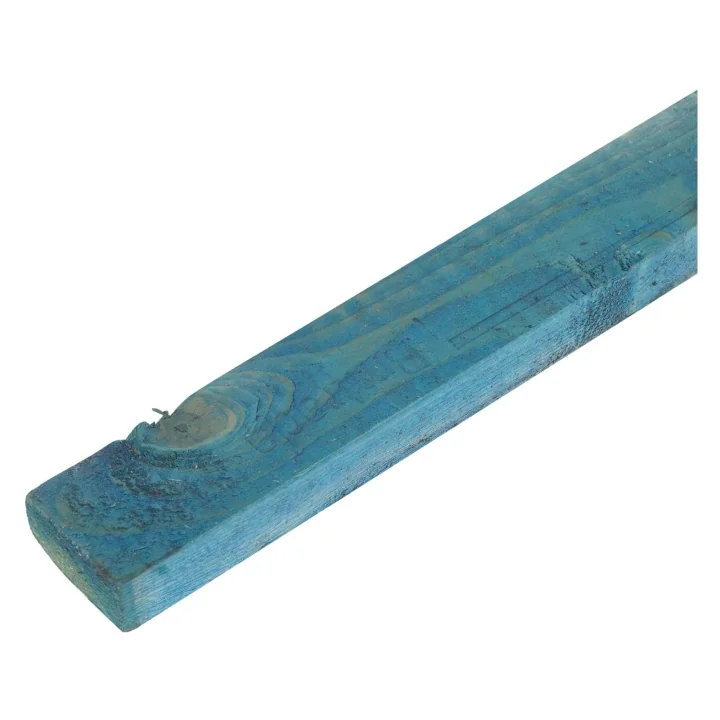
Under the tiles, a breather membrane is now the standard underlay. It stops wind-driven rain and snow reaching the loft while letting water vapour escape from inside, dramatically reducing condensation problems compared with traditional bitumen felt. Bitumen felt (type 1F) is still available and is fine for sheds and outbuildings. Battens carry the tiles and must be graded roofing battens to BS 5534, typically stamped and dyed blue, in 25 x 38mm as the standard size and 25 x 50mm where rafters are set at 600mm centres. Batten spacing (the gauge) is set by the tile you choose and its required headlap, so work it out from the tile datasheet rather than copying whatever was there before.
Lead Flashing: Codes Explained
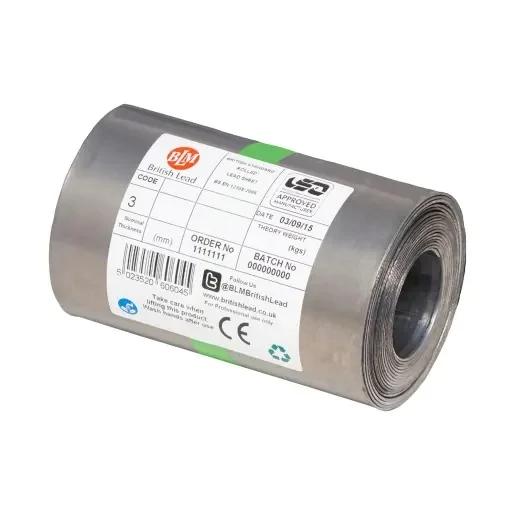
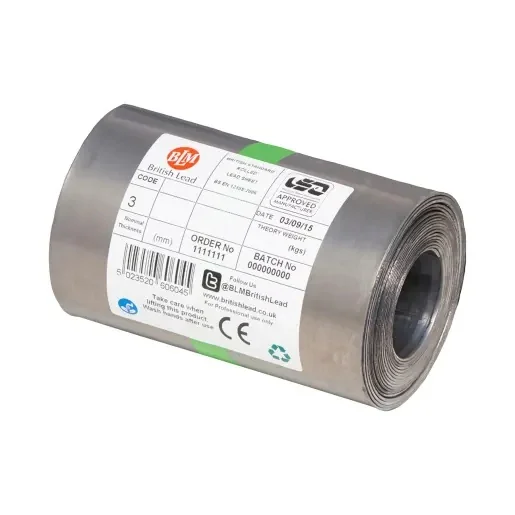
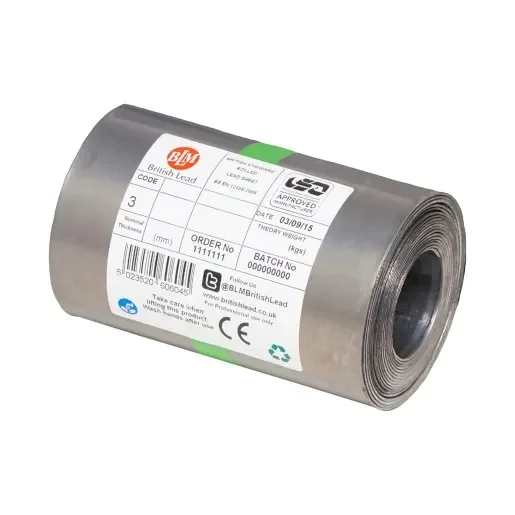
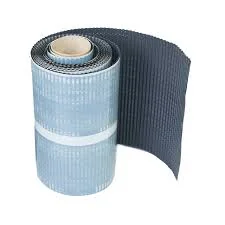
Lead for flashings is sold by code, which reflects the thickness and weight of the sheet. Code 3 is the lightest commonly used, suitable for soakers tucked under tiles at abutments. Code 4 is the general purpose choice for cover flashings, chimney aprons, and step flashings, thick enough to dress cleanly without splitting. Widths run from 150mm for straightforward cover flashings up to 300mm and beyond for aprons and back gutters, and standard rolls are 3m long. Chase flashings at least 25mm into a mortar joint, wedge them, and point or seal the chase. Lead-free flashing rolls are lighter, easier to form by hand, and have no scrap value to attract thieves, which makes them popular on porches, bays, and outbuildings.
Flat Roofing
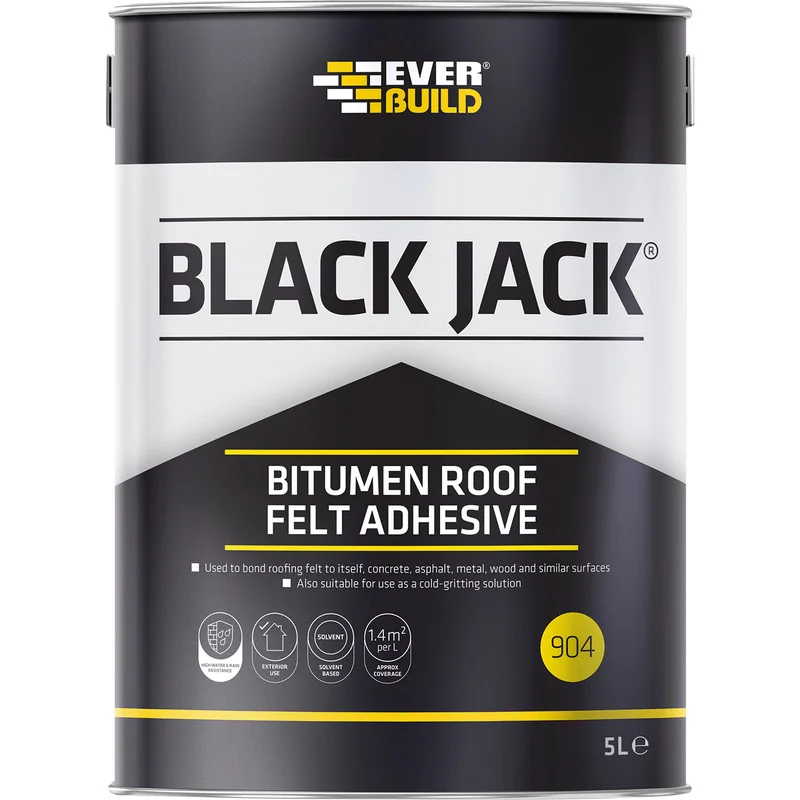
Small flat roofs on garages, porches, and bay windows are commonly covered with bitumen felt, either torch-on or bonded in cold felt adhesive where an open flame is not appropriate. A felt roof is built up in layers with staggered laps and should last 10 to 20 years. EPDM rubber and GRP fibreglass cost more but last two to three times longer, and are worth considering on any flat roof over a habitable room. Whatever the covering, the deck must fall at least 1:40 towards the outlet so water does not pond, and on a re-cover it is worth firring the joists to correct a flat or back-falling deck.
Buying Tips
Work out your tile count from the manufacturer coverage figure for your chosen headlap, then add 5 percent for cuts and breakages, and more on hipped roofs where every hip course is cut. Tiles vary between production batches, so order the whole roof in one delivery and check batch numbers. Do not forget the accessories that never appear on the first list: eaves and verge details, undercloak, fixing nails and clips, ventilation, and dry ridge components. Roofing materials are heavy and deliveries are kerbside on pallets, so plan how everything gets up to the roof. If you are matching an older roof, reclamation yards are often the only source for discontinued tile patterns.
Helpful Calculators
Frequently Asked Questions
How many roof tiles do I need per square metre?
It depends on the format. Plain tiles (268 x 165mm) need about 60 per square metre. Interlocking tiles range from around 10 per square metre for large formats to about 16 for smaller formats like the Redland 49. Fibre cement slates at 600 x 300mm work out around 13. Use our roof tile calculator for accurate estimates.
What is the lifespan of different roofing materials?
Natural slate: 75-100+ years. Clay tiles: 50-70 years. Concrete tiles: 30-50 years. Fibre cement slates: 40-60 years. Felt flat roof: 10-20 years. EPDM: 30-50 years.
Do I need building regulations approval for a new roof?
Yes, re-roofing more than 25 percent of a roof area requires building regulations approval to ensure proper insulation and ventilation. Your roofer or building control body can handle the notification.
What is the difference between Code 3 and Code 4 lead?
The code indicates the thickness and weight of the sheet. Code 3 is thinner and used for soakers, while Code 4 is the general purpose thickness for flashings, aprons, and chimney work. Thicker codes exist for gutters and cladding but are rarely needed domestically.
Do I need a breather membrane?
On any re-roof or new roof, a breathable underlay is the standard choice. It keeps wind-driven rain out while letting moisture escape from the loft, which reduces condensation. Traditional bitumen felt is only worth using on sheds and outbuildings.
What size roof battens do I need?
25 x 38mm graded battens to BS 5534 are standard for rafters at 400-450mm centres, moving up to 25 x 50mm for 600mm centres. Only use battens stamped as BS 5534 graded, as ungraded carcassing battens are not acceptable for tiling.
What is the minimum pitch for roof tiles?
Plain tiles need at least 35 degrees. Most interlocking concrete tiles work down to around 30 degrees, with some low-pitch designs going lower. Fibre cement slates can go down to about 20 degrees with an increased headlap. Always check the datasheet for your exact tile, as fitting below the minimum pitch will leak.